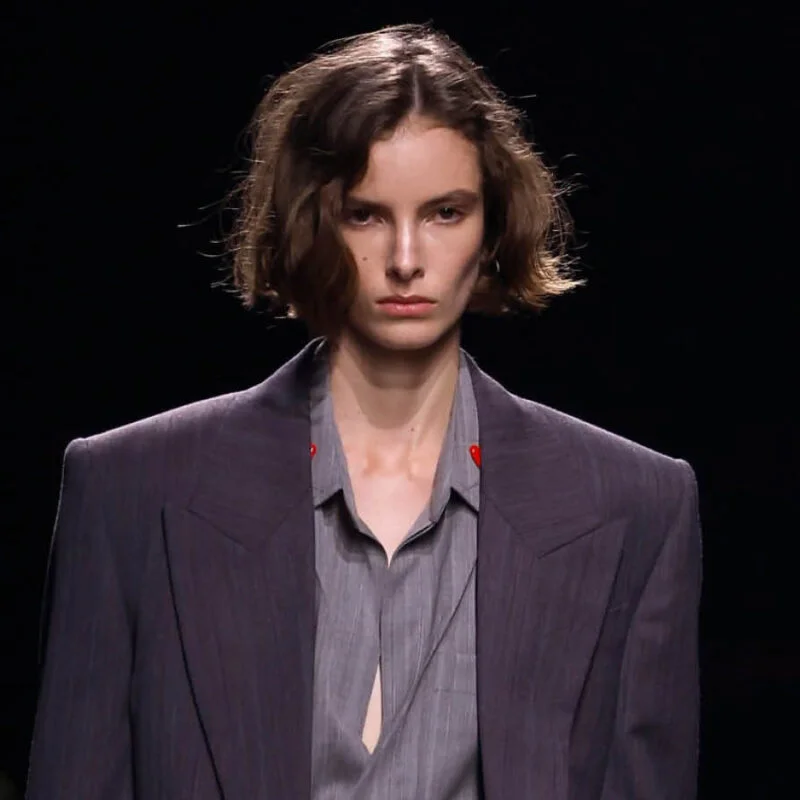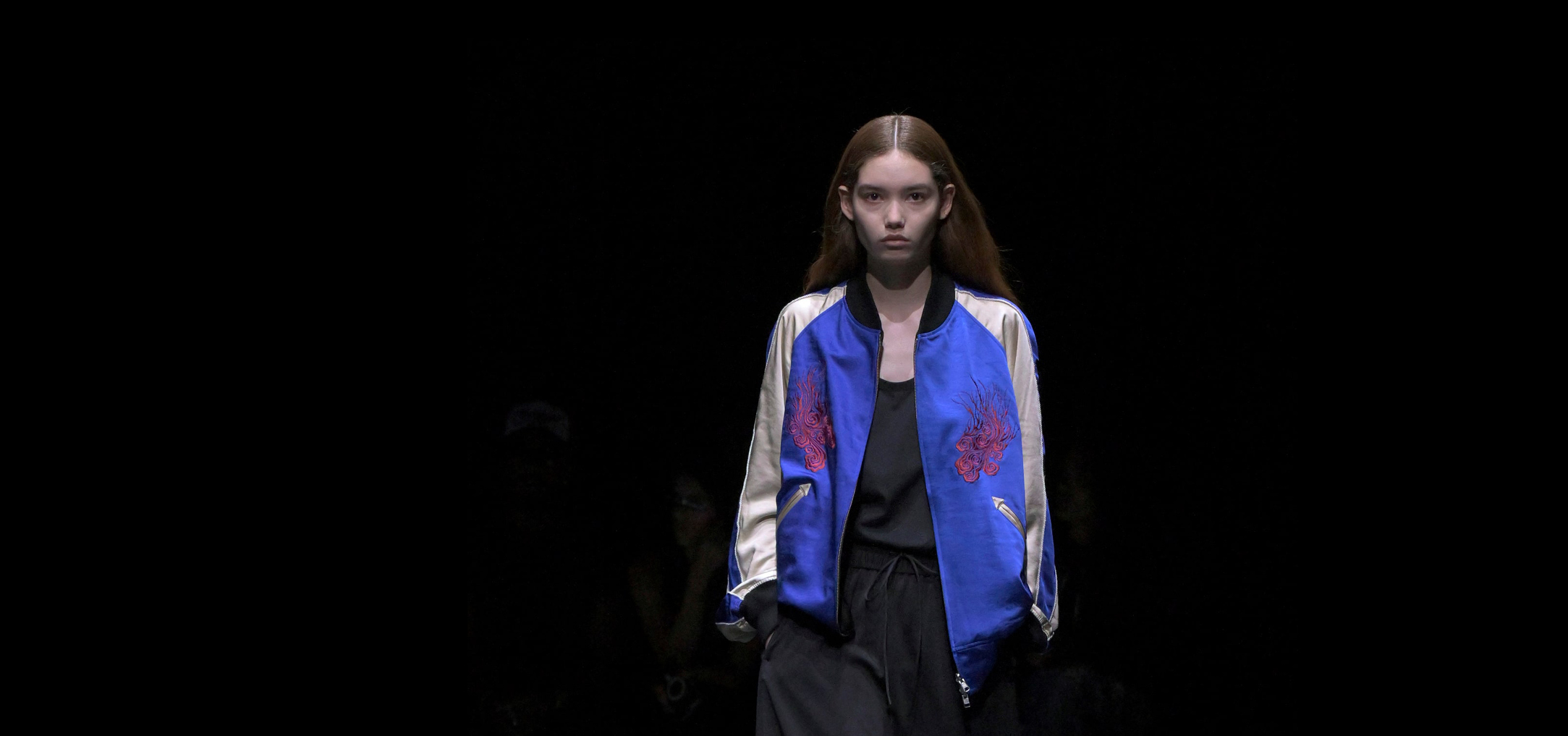
What is the Sukajan (Japanese Souvenir Jacket)?
Also known as the Japanese souvenir jacket, the sukajan (スカジャン) is a bomber-style jacket primarily made of satin or silk, that features intricately embroidered motifs on its back, sleeves, and/or front – these tend to be traditional Japanese motifs like dragons, tigers, and cherry blossoms. It tends to have a zip-up front, but may also come in a snap-button style, and may have a ribbed collar, cuffs and waistband. The sukajan can be short, fitted, long or oversized. The style is an amalgamation of Japanese with Western American culture, but where did it come from? And why do I feel that it’s going to make a return – hence this Fall 2025 trend forecast totally focused on the style.
- - - Advertisement - - -
[mepr-show rules=”19019″ unauth=”message”]
The Origin of the Sukajan
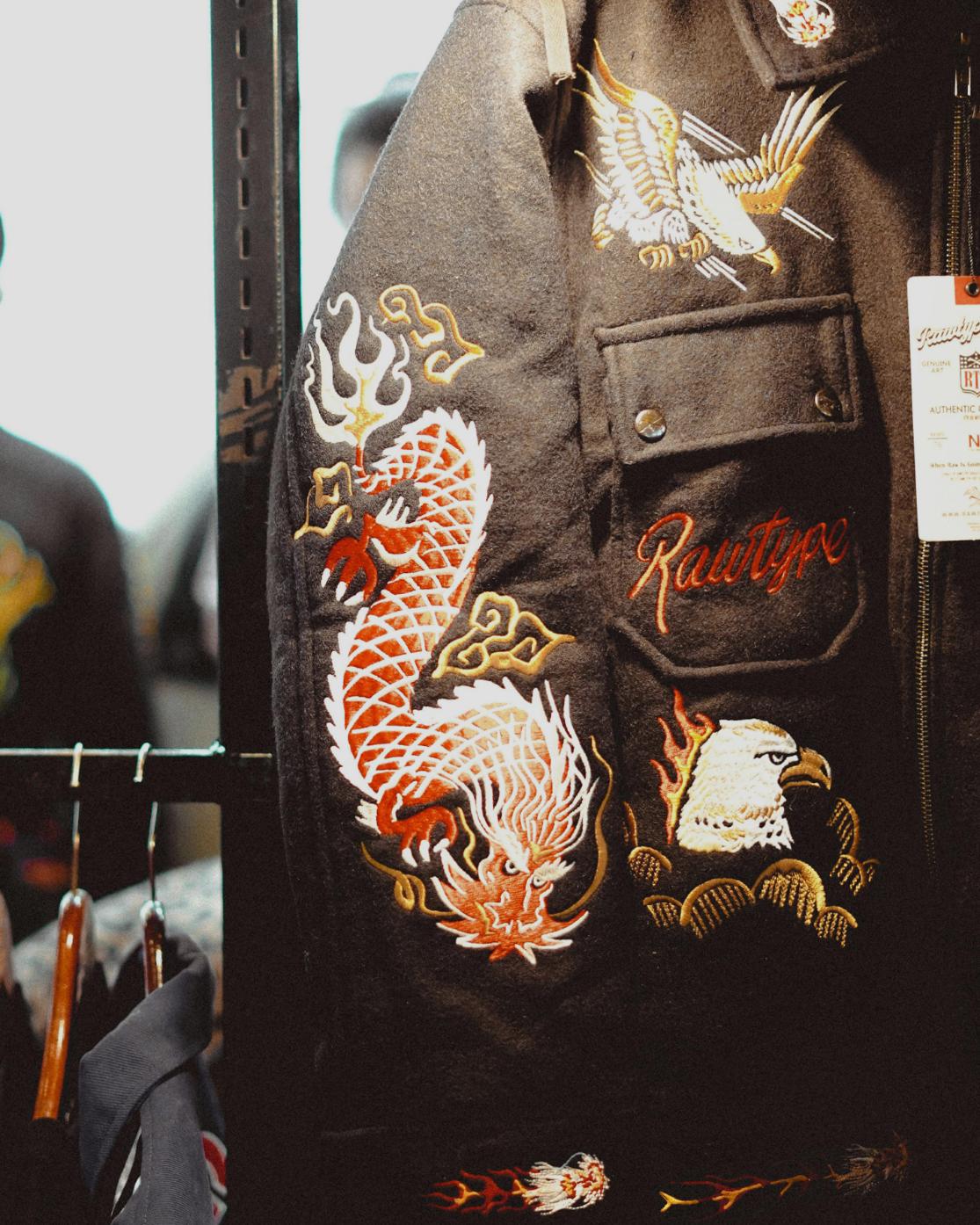 Sukajan jacket; Photo by pexels.com/@labskiii/
The sukajan originated in Japan in the post-World War II era when American soldiers stationed there in the 1940s and 1950s commissioned Japanese tailors to decorate their bomber jackets with embroidered motifs. This coming together of Japanese craftsmanship and symbolism with Western American military culture (bomber jackets, the occasional embroidered eagle) is of cultural signifance as a symbol of how global exchange can lead to creative fushion within fashion, creating this hybrid garment.
Over time the sukajan evolved beyond its initial purpose as a souvenir for military personnel. Japanese designers and streetwear brands began incorporating elements of the jacket into their own fashion, adapting and reinterpreting its designs in line with postwar Japanese identity, and it became an important cultural artifact within Japan itself.
The sukajan also reflects Japan’s post-war identity and the blending of traditional Japanese art with Western modernization. After World War II, Japan began to rapidly modernize while still trying to preserve its cultural heritage. The sukajan, with its traditional Japanese motifs embroidered on a Western military jacket, symbolizes the country’s balancing act between tradition and modernity.
Early Adopters in Japanese Fashion
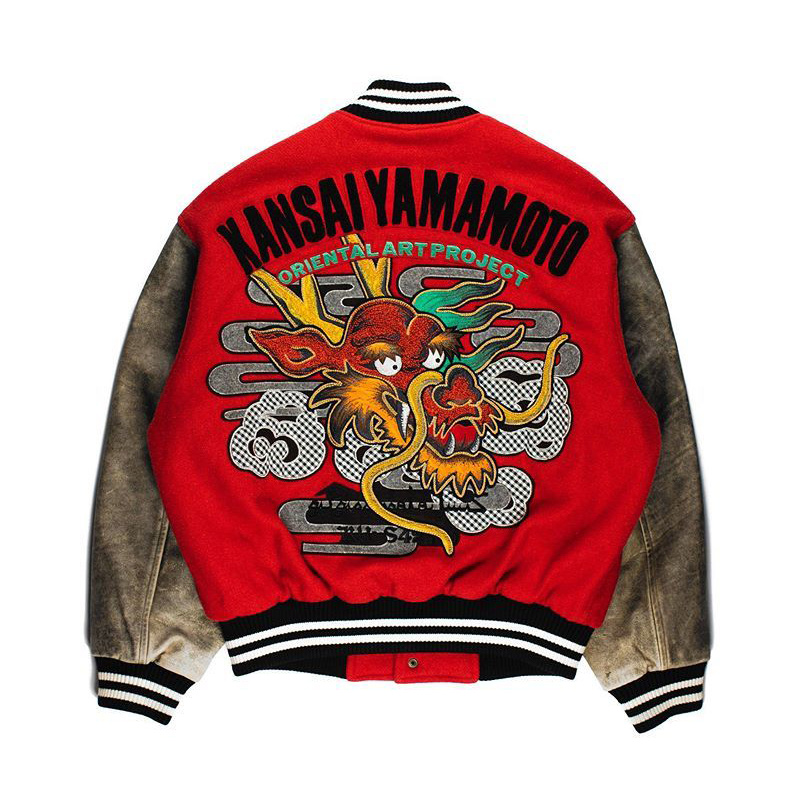 Sukajan jacket by Kansai Yamamoto; Photo from Pinterest
A number of Japanese fashion designers from the 1960s to the 1990s developed the sukajan further, most notably the bomber jackets of Hiroshi Fujiwara and bold avant-garde designs from Kansai Yamamoto. Yamamoto famously designed a number of outfits for David Bowie including hakama-inspired trousers, metallic bodysuits, and brightly coloured jumpsuits with exaggerated silhouettes.
2010s Runway & Streetwear
![Louis Vuitton Menswear Spring 2016 [Paris] Creative Direction: Kim Jones; Photo: NOWFASHION.com](https://www.thefashionfold.com/wp-content/uploads/Louis-Vuitton-Menswear-Spring-Summer-2016-Fashion-Show-Runway-Paris-Fashion-Week-0001-credit-nowfashion.jpg) Louis Vuitton Menswear Spring 2016 [Paris] Creative Direction: Kim Jones; Photo: NOWFASHION.com
Louis Vuitton Menswear Spring 2016 [Paris] Creative Direction: Kim Jones; Photo: NOWFASHION.com
By the late 20th century and most notably in the 2010s, the sukajan was embraced globally, notably in streetwear culture, with the sukajan featuring most prominently in menswear collections in 2016 – Louis Vuitton and Gucci Menswear are shown here.
The Japanese souvenir jacket became an iconic part of streetwear fashion, being worn by countless celebrities including Rihanna, Pharrell Williams, and Tyler, The Creator.
![Gucci Menswear Spring 2016 [Milan] Creative Direction: Alessandro Michele; Photo: NOWFASHION.com](https://www.thefashionfold.com/wp-content/uploads/Gucci-Menswear-Spring-Summer-2016-Milan-Fashion-Week-Runway-020-credit-nowfashion.jpg) Gucci Menswear Spring 2016 [Milan] Creative Direction: Alessandro Michele; Photo: NOWFASHION.com
Gucci Menswear Spring 2016 [Milan] Creative Direction: Alessandro Michele; Photo: NOWFASHION.com
The Connection Between Sukajan and Tattoos
The original sukajan jackets drew significant inspiration from the motifs and designs found in traditional Japanese tattoos, or irezumi. When these jackets found popularity again in the 2010s, they then took on embroidered motifs that reflected the tattoo trends of the time – Sailor Jerry tattoos were extremely in the late ’00s, and some sukajan jackets incorporated classic Sailor Jerry tattoo motifs such as birds and nautical stars.
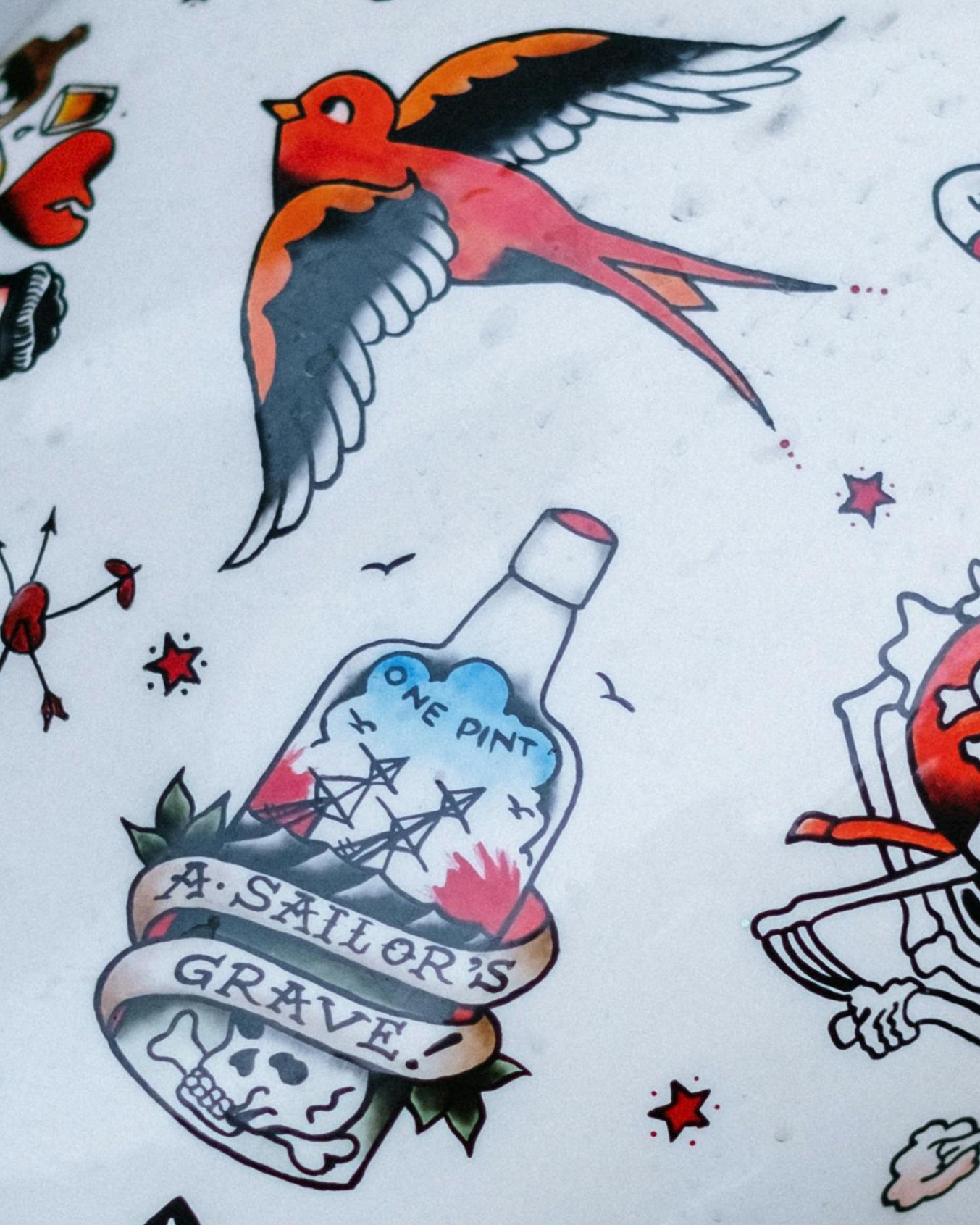 Sailor Jerry tattoo designs; Photo: pexels.com/@cottonbro
Fall 2025 Trend Forecast
![Maison Mihara Yasuhiro Menswear Spring 2025 [Paris] Creative Direction: Mihara Yasuhiro; Photo: Courtesy of Maison Mihara Yasuhiro](https://www.thefashionfold.com/wp-content/uploads/2024/06/ss2025-maison-mihara-yasuhiro-look-39-500x750-1.jpg) Maison Mihara Yasuhiro Menswear Spring 2025 [Paris] Creative Direction: Mihara Yasuhiro; Photo: Courtesy of Maison Mihara Yasuhiro
Maison Mihara Yasuhiro Menswear Spring 2025 [Paris] Creative Direction: Mihara Yasuhiro; Photo: Courtesy of Maison Mihara Yasuhiro
The sukajan has already started making appearances in recent collections, notably from Japanese brands like Maison Mihara Yasuhiro and Y-3.
I predict that Fall 2025 will mark its resurgence on the runways, particularly in menswear shows. With Y2K and early 2010s styles firmly re-entering the trend cycle – and many 2016-era trends already prominent in Spring 2025 – it seems inevitable that the sukajan will follow suit. In fact, its presence in a few Spring 2025 shows suggests that its comeback is already underway.
The shift from Fall 2024’s heavy military influence to a more stylized, casual interpretation further supports this Fall 2025 trend forecast. Traditional military colours like army green and khaki are evolving into softer tones such as moss green, while rigid military designs are being reimagined into more relaxed styles like field and safari jackets. As a decorative and casual take on the classic bomber jacket, the sukajan aligns perfectly with this evolution, making it a natural next step.
![Y-3 Menswear Spring 2025 [Paris] Creative Direction: Yohji Yamamoto; Photo: NOWFASHION.com](https://www.thefashionfold.com/wp-content/uploads/Y-3-Menswear-Spring-Summer-2025-Paris-Fashion-Week-Runway-21-credit-nowfashion.jpg) Y-3 Menswear Spring 2025 [Paris] Creative Direction: Yohji Yamamoto; Photo: NOWFASHION.com
Y-3 Menswear Spring 2025 [Paris] Creative Direction: Yohji Yamamoto; Photo: NOWFASHION.com
And what about the sukajan’s connection to tattoo-inspired imagery? The tribal tattoo imagery of the late 90s and early 00s has been popular lately but is starting to feel dated, so what’s next?
In keeping with the themes of childhood and nostalgia, it could be along the lines of colour work, cartoons, or pixel art. A more freehand, doodled approach is also increasing in popularity, and this may also be reflected in the embroidery seen on Japanese souvenir jackets for Fall 2025.
[/mepr-show]

London College of Fashion alumna (PGCert Fashion Buying & Merchandising). 15 years in fashion across styling, buying & merchandising, trend forecasting, e-commerce, and marketing. Includes roles at Vivienne Westwood and multi-brand retail stocking 50+ brands including Adidas, Nike, and Puma.