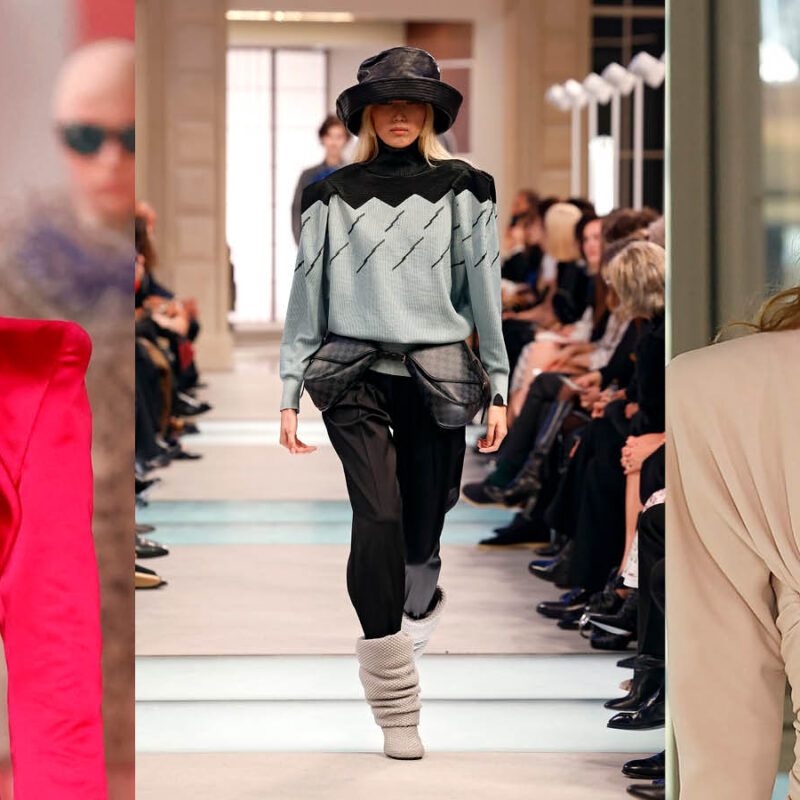
The recent announcement of Demna Gvasalia moving from Balenciaga to Gucci marks a pivotal moment in luxury fashion. This strategic shift comes at a crucial time for Gucci, a brand currently at a “make it or break it” crossroads after experiencing significant sales challenges. The choice of Demna – a designer known for controversy, viral moments, and pushing boundaries – signals Gucci’s willingness to take bold risks to regain market dominance.
- - - Advertisement - - -
Recent Design Leadership Turmoil at Gucci
To understand the significance of Demna’s appointment, we need to look at Gucci’s recent history. The brand experienced tremendous success under Alessandro Michele, whose maximalist aesthetic with rich prints and vintage-inspired designs created a distinctive identity that resonated globally. Despite driving remarkable sales growth, Michele’s tenure ended abruptly, hinting at behind-the-scenes tensions despite commercial success.
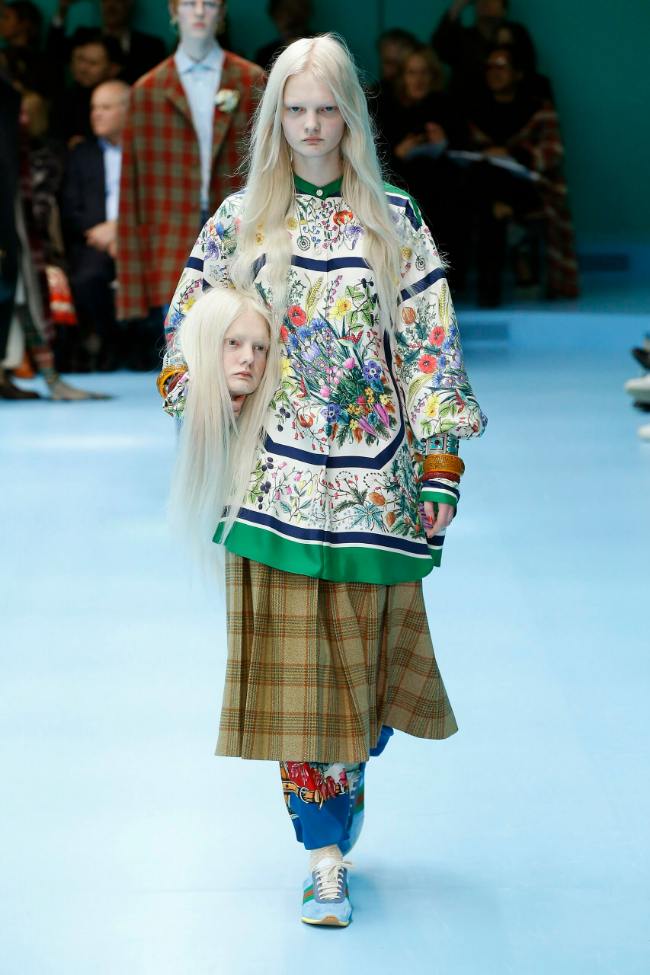
Gucci Fall 2018 [Milan] Creative Direction: Alessandro Michele; Photo: Nowfashion.com
Michele’s replacement, Sabato De Sarno, pivoted dramatically to minimalism and solid colors – a stark departure from the Michele era. While De Sarno’s collections set color trends and presented a refined aesthetic, they failed to translate into the sales figures Gucci desperately needed.

Gucci Spring 2025 [Milan] Creative Direction: Sabato De Sarno; Photo: Nowfashion.com
- - - Advertisement - - -
The Luxury Market Landscape
The current luxury market is experiencing widespread challenges, with only a select few houses – Hermès, Prada, and Miu Miu among them – maintaining strong performance. This industry-wide struggle coincides with shifting consumer preferences and spending habits, particularly among the aspirational luxury customer segment that has traditionally driven volume sales: CNN reported on February 22nd, 2025 that 50 million customers were excluded from the luxury market in 2024 as prices increased beyond their reach, with this deficit now making brands rethink their strategy in order to win back this key demographic. Aspirational consumers come from all age brackets and as a key feature, they “value [the] perceived social status of luxury products.” (Clientbook.com)
- - - Advertisement - - -
Demna – A Neo-Dadaist?
Demna’s design philosophy deserves deeper examination, particularly through the lens of art history and the revolutionary Dadaist movement of the early 20th century. Marcel Duchamp’s 1917 work Fountain – a urinal signed with the pseudonym “R. Mutt” and presented as art – fundamentally challenged the establishment’s perception of what constitutes art. By placing a mass-produced, utilitarian object in a gallery context, Duchamp argued that the context and intention behind an object were more important than its inherent qualities or craftsmanship.
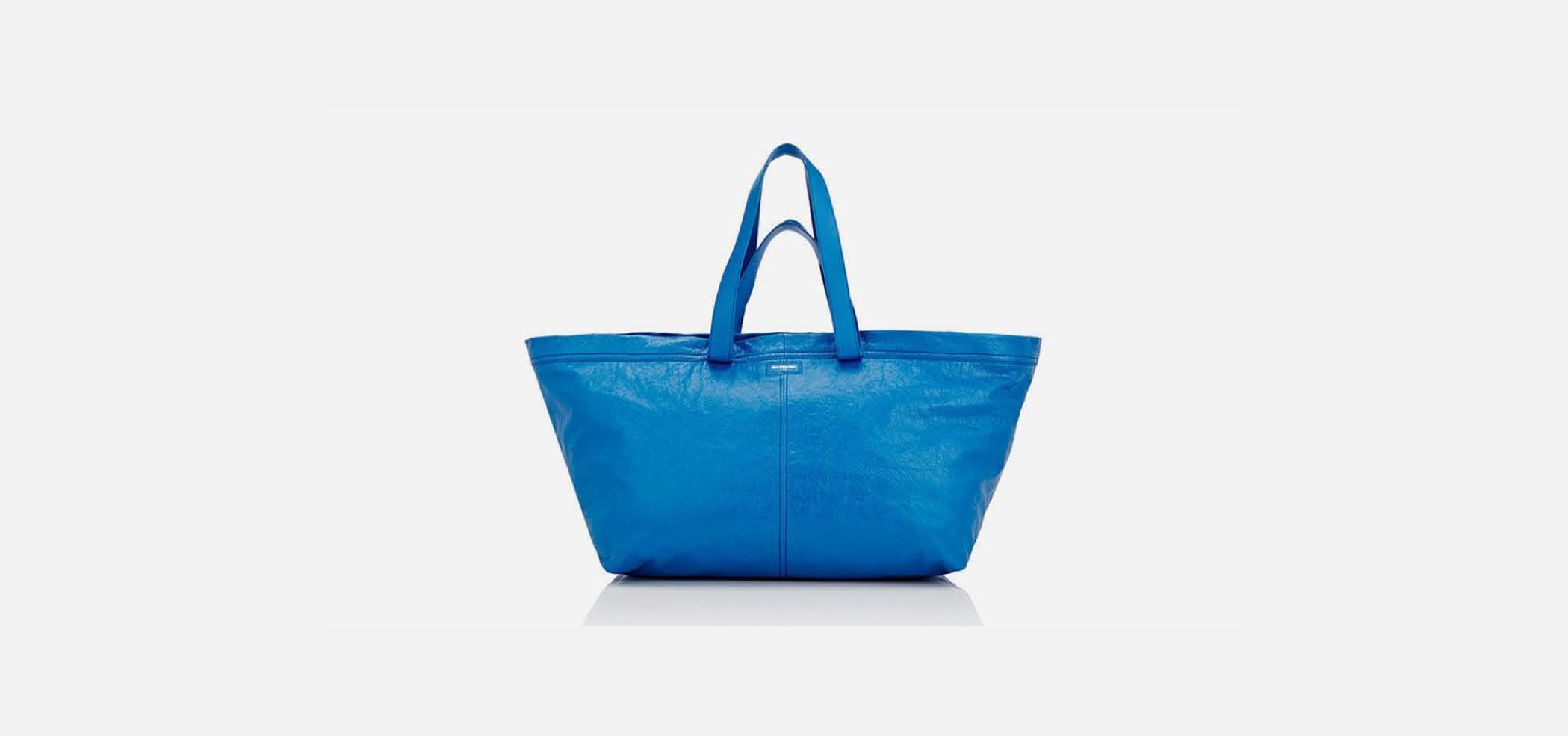
In strikingly similar fashion, Demna has repeatedly challenged fashion’s established norms. His $2,000 leather version of IKEA’s 99-cent blue bag, $795 platform Crocs, and the infamous towel skirt aren’t merely provocations – they’re philosophical statements about value, perception, and context in a capitalist framework.

Marcel Duchamp – Fountain, 1917; Photo: Alfred Stieglitz
Just as Duchamp asked “What makes art art?”, Demna also poses the question “What makes fashion fashion?” Is it craftsmanship, material, utility, or simply the context and branding that transforms an ordinary object into a luxury item? When Demna presents a used festival-style bracelet for thousands of dollars, he’s engaging in the same conceptual exercise as Dadaists – questioning the very foundations of value attribution in his chosen medium.
Demna’s approach simultaneously critiques and profits from the system it questions. His designs force consumers to confront uncomfortable questions about why they value certain objects over others based primarily on branding and context rather than intrinsic qualities – all while commanding premium prices that highlight the very contradictions being examined. Would you buy that same item at that same price if it didn’t have a logo on it? Where is the value in the item?

Balenciaga Festival Bracelet; Photo: Balenciaga.com
For Gucci, embracing this designer means more than gaining his aesthetic vision – it means adopting a paradigm-shifting approach to what luxury fashion can be in the 21st century. The question remains whether Gucci’s customers are prepared to participate in this ongoing conceptual art experiment with their purchasing power.
- - - Advertisement - - -
Logo Culture and Wealth Signaling
Perhaps most relevant to Gucci’s strategy is Demna’s role in popularizing logomania – the prominent display of brand logos and monograms as central design elements. This aesthetic targets a specific consumer psychology: the aspirational luxury customer who values visible wealth signaling.
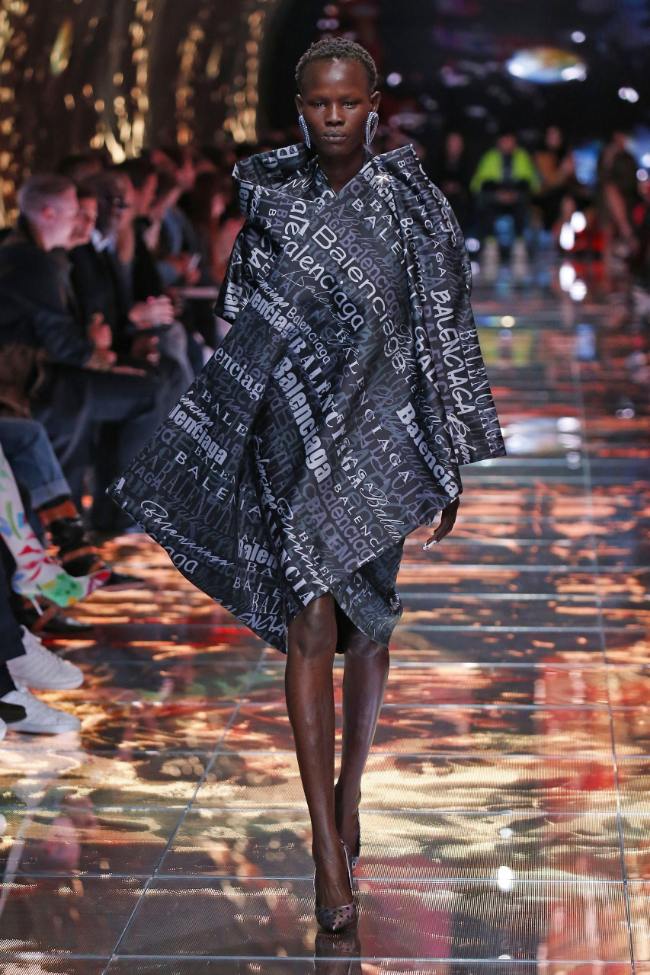
Balenciaga Spring 2019 [Paris] Creative Direction: Demna Gvasalia; Photo: Nowfashion.com
The luxury market has traditionally served two distinct customer segments:
The Aspiring Wealthy: Those who purchase luxury as a status symbol and prefer conspicuous branding to signal their ability to afford premium products
The Established Wealthy: Those with secure financial status who prefer subtle, logo-free designs that signal insider knowledge rather than obvious brand affiliation
This distinction helps explain the strategic calculation behind Demna’s appointment. While De Sarno’s refined minimalism appealed to the established wealthy, it potentially alienated the aspirational customer base that had previously driven Gucci’s volume sales under Michele (who balanced logo and monogram designs with artistic maximalism).
- - - Advertisement - - -
What Demna Means for Gucci’s Future
Gucci’s selection of Demna suggests a deliberate strategy to recapture the aspirational luxury market while creating the viral moments and conversation pieces that drive social media engagement and brand relevance. The brand appears to be betting that Demna’s capacity for provocation and trend-setting will translate into renewed consumer interest and sales growth.
The risk, of course, lies in Demna’s controversial history, including advertising missteps at Balenciaga that sparked backlash. Gucci must balance leveraging Demna’s boundary-pushing creativity while avoiding the pitfalls that could alienate consumers. There is also the problem that some of his designs – such as those mentioned above – not only create viral moments but may also raise difficult questions that make consumers doubt the value of the very product they should be desiring, whether that value is fashion-related or financial.
But perhaps the question being asked right now is: how many viral moments did Sabato De Sarno’s Gucci have?
- - - Advertisement - - -
Looking Ahead
As the luxury market continues to navigate challenging economic conditions, Demna’s Gucci will serve as a fascinating case study in how heritage brands can reinvent themselves. Will his appointment mark a return to logomania and conspicuous consumption? Or will he create a new visual language that bridges the gap between obvious wealth signaling and subtle luxury? Notably, Demna shares Duran Lantink‘s penchant for experimental proportions, following the latter’s influential role in popularizing unconventional silhouettes throughout the industry recently.
What’s certain is that the fashion world will be watching closely. In an industry where commercial success and artistic vision don’t always align, Demna’s move to Gucci represents a very significant creative shift – one that could redefine luxury fashion for the next generation of consumers.
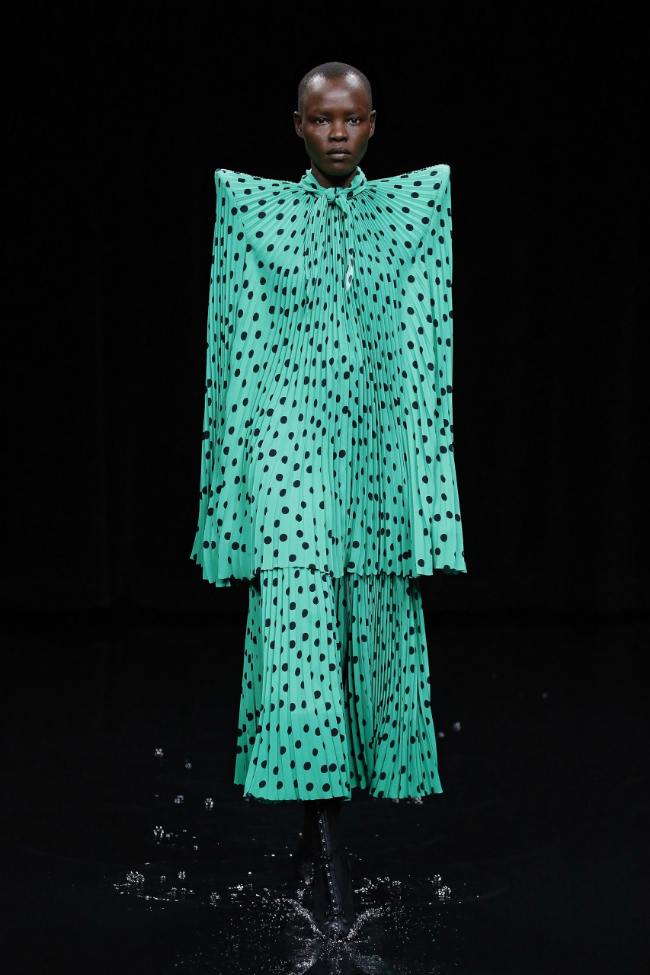
Balenciaga Fall 2020 [Paris] Creative Direction: Demna Gvasalia; Photo: Nowfashion.com
- - - Advertisement - - -
Note: Cover image shows the Balenciaga ‘IKEA’ tote bag; Photo: Barneys.
- - - Advertisement - - -

London College of Fashion alumna (PGCert Fashion Buying & Merchandising). 15 years in fashion across styling, buying & merchandising, trend forecasting, e-commerce, and marketing. Includes roles at Vivienne Westwood and multi-brand retail stocking 50+ brands including Adidas, Nike, and Puma.