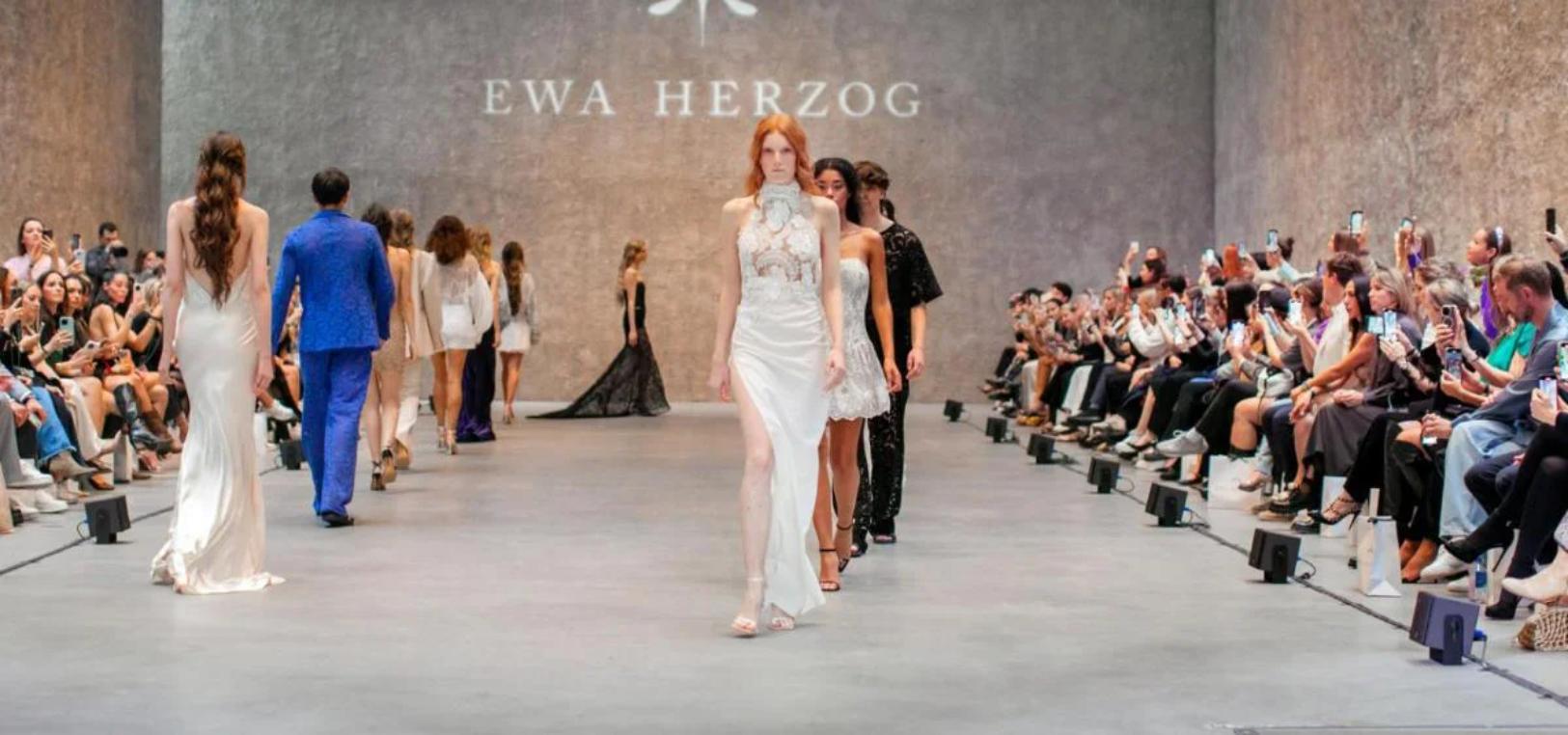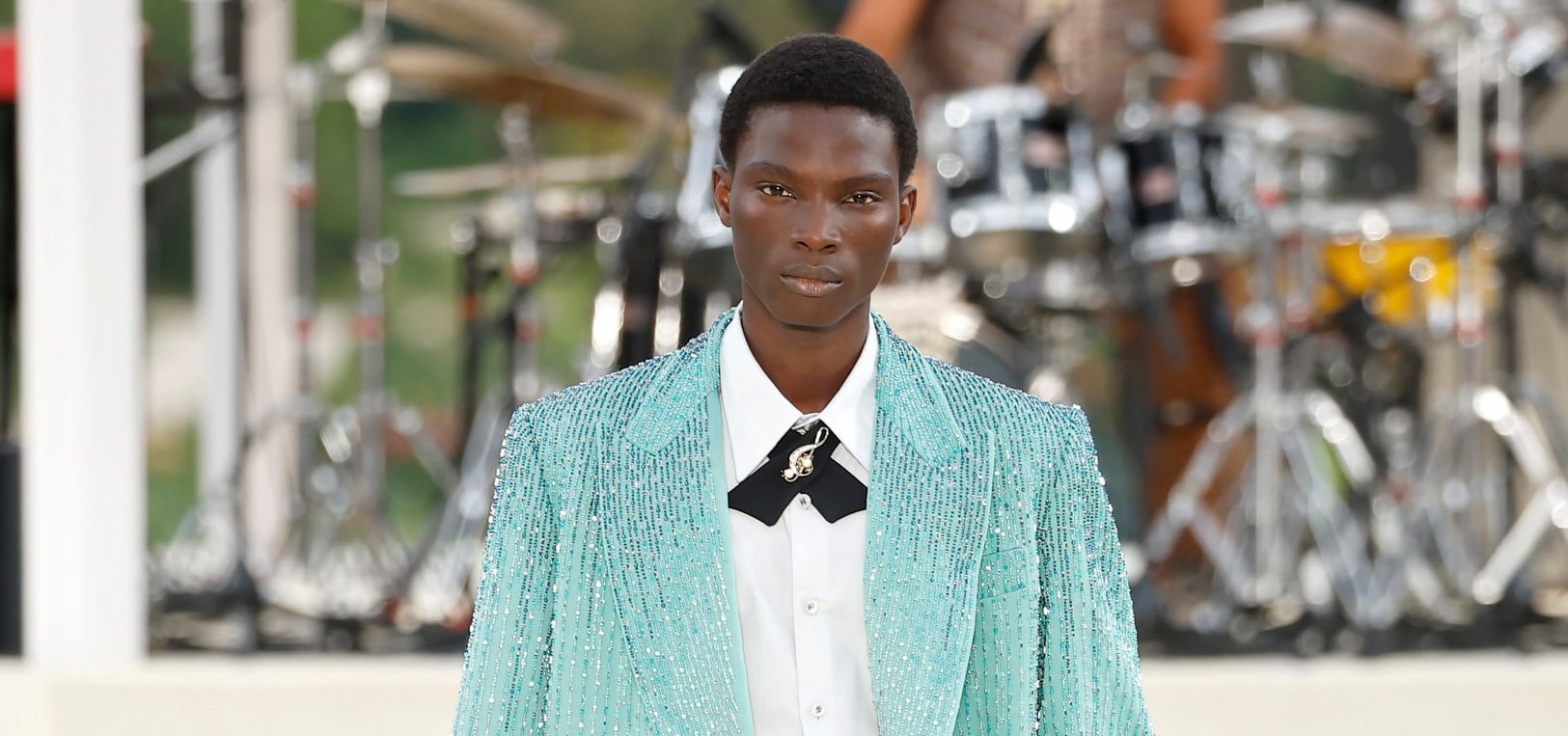
In a nutshell, fashion branding is about three things: creating and establishing an identity for your fashion brand, differentiating your brand from its competitors, and shaping both your brand’s connection its target audience and also their perception of your brand. The fashion landscape is extremely competitive, so it is essential to get your branding absolutely spot-on, so that your target audience know that your brand is for them, and not anybody else.
It’s also important that your brand doesn’t get mixed up with any other brand out there, both so that consumers know exactly who you are, and also so you don’t get in the legal crosshairs of another fashion label – many brands will fight tooth-and-nail to protect their identity if they feel it is being impinged upon. There are many other concepts to explore that are related to fashion branding, including brand equity, brand loyalty, and brand values.
If you’d like some help in establishing your fashion brand, get in touch.
- - - Advertisement - - -
What is Fashion Branding?
As mentioned above, fashion branding is about creating a unique identity for your brand. This is more than just the products that are produced, it goes beyond a definition like ‘an evening wear brand’ or ‘a footwear brand focused solely on glamorous heels made entirely of upcycled materials’. Fashion branding includes:
Brand Identity
A brand identity is established in many different ways: a logo, a colour palette, the choice of fonts, the overall aesthetic of the brand, etc. The brand identity is what consumers will usually notice first.
Considering a few of these identifying aspects: fashion brand logos are used not just for the storefront and the Instagram page – they are used on shopping bags (see Namilia Spring 2025 below), clothing, tags, merchandise and anything else where the brand needs to be represented. A brand’s logo must be clear, distinct, and differentiated from those of its competitors.
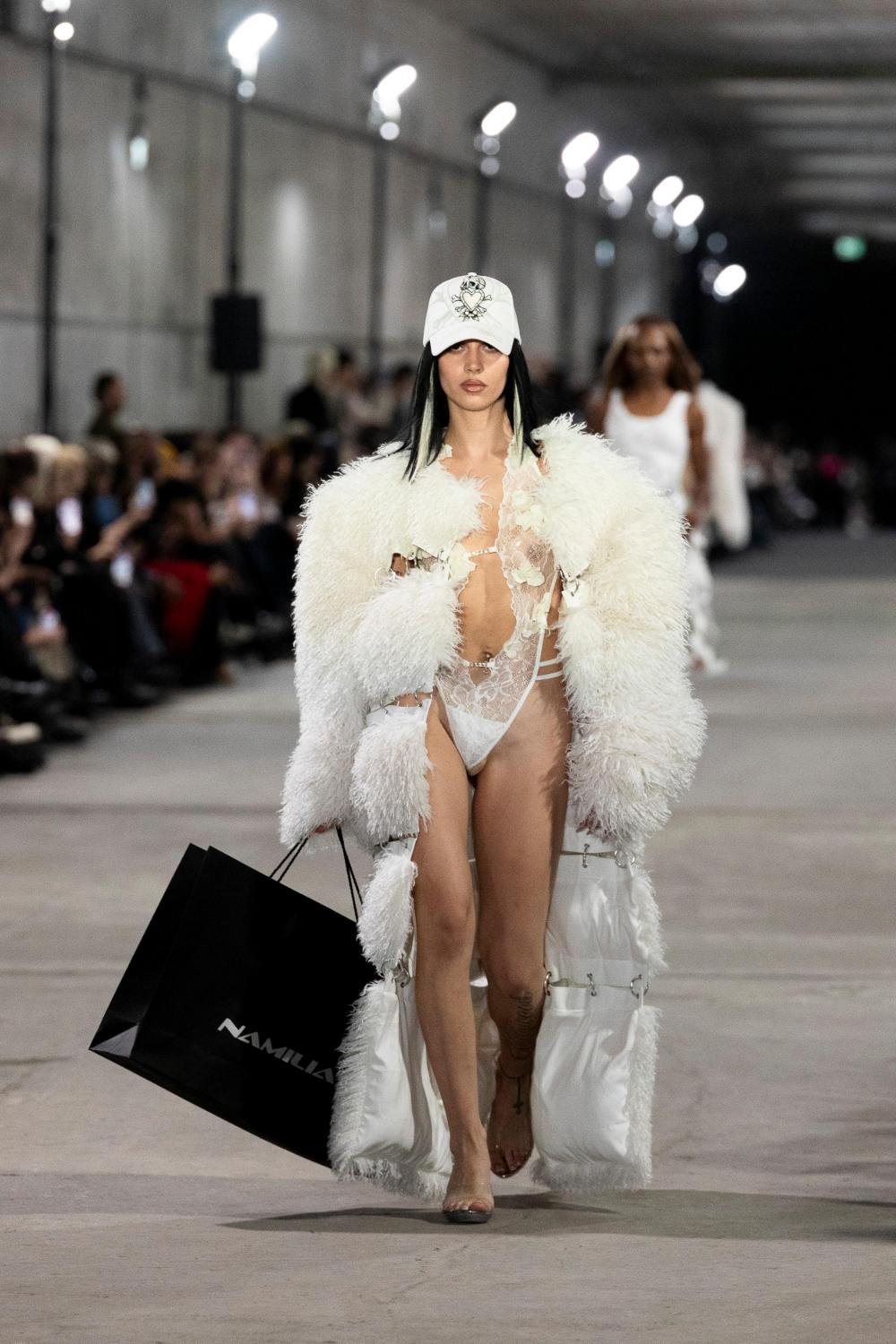
Namilia Spring 2025 [Berlin] Creative Direction: Nan Li and Emilia Pfohl; Photo: Studio Alexander Fischer for Berlin Fashion Week
Brand colours are also important and for some brands are an integral part of their brand identity. Taking Burberry as an example, the classic colours of the Burberry check are used across clothing, perfumes, and other items. Even without the logo present, the combination of these colours makes the product recognizably Burberry.

Burberry Prorsum Spring 2019 [London] Creative Direction: Riccardo Tisci; Photo: NOWFASHION.com
Related to the logo is the monogram, which can be considered a shortened or alternate form of the logo. Many brands have one, and it is commonly used in repeat as a motif, or used in place of the logo. Once a brand is established enough, its monogram may be just as instantly recognizable as its logo – think of the interlocking Cs used by Chanel, for example.
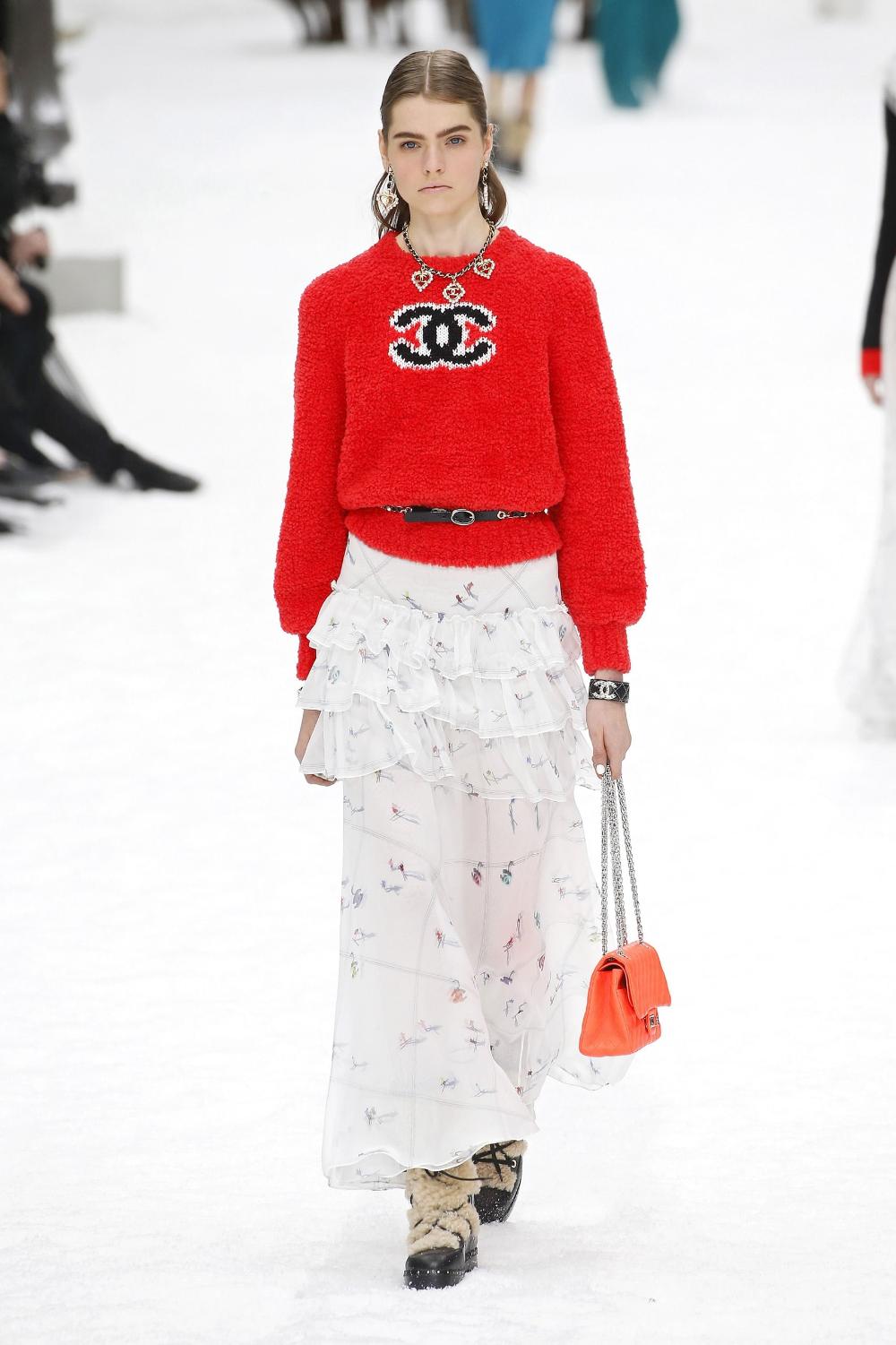
Chanel Fall 2019 [Paris] Creative Direction: Virginie Viard; Photo: NOWFASHION.com
Brand Personality
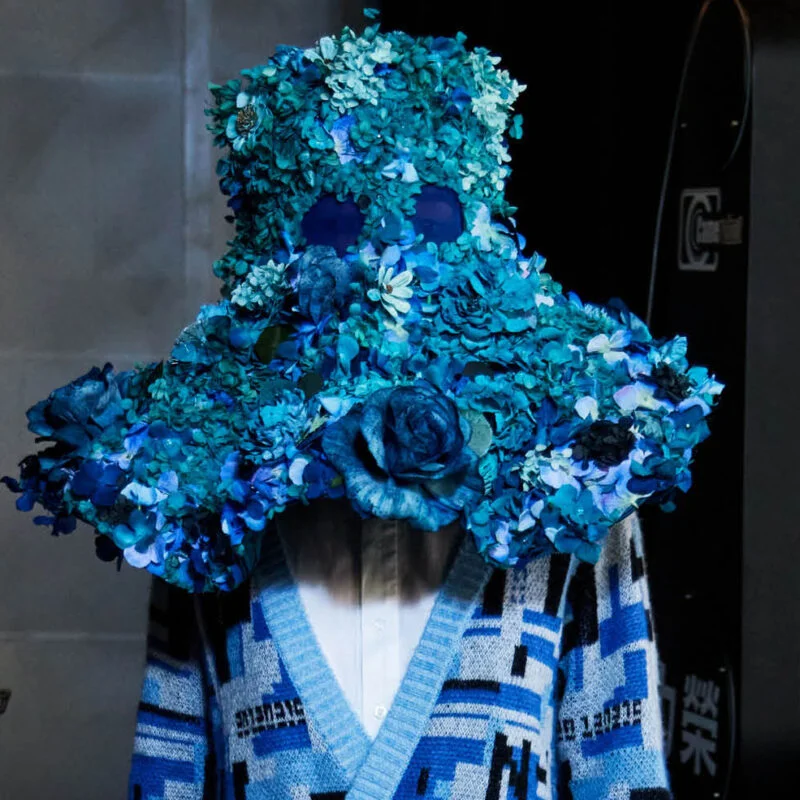
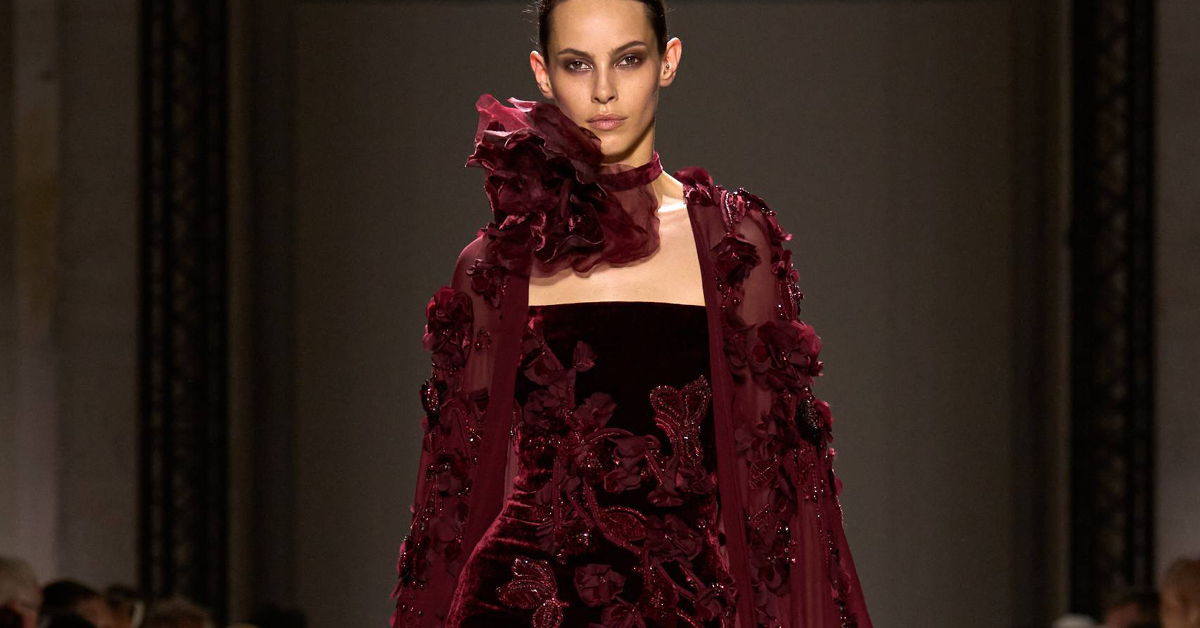
Different brands have different personalities – Charles Jeffrey Loverboy is considered more avant-garde and experimental, while Elie Saab is associated with elegance and femininity. The brand personality is essential as it must be in-tune with the target consumer and reflect their own personality traits.
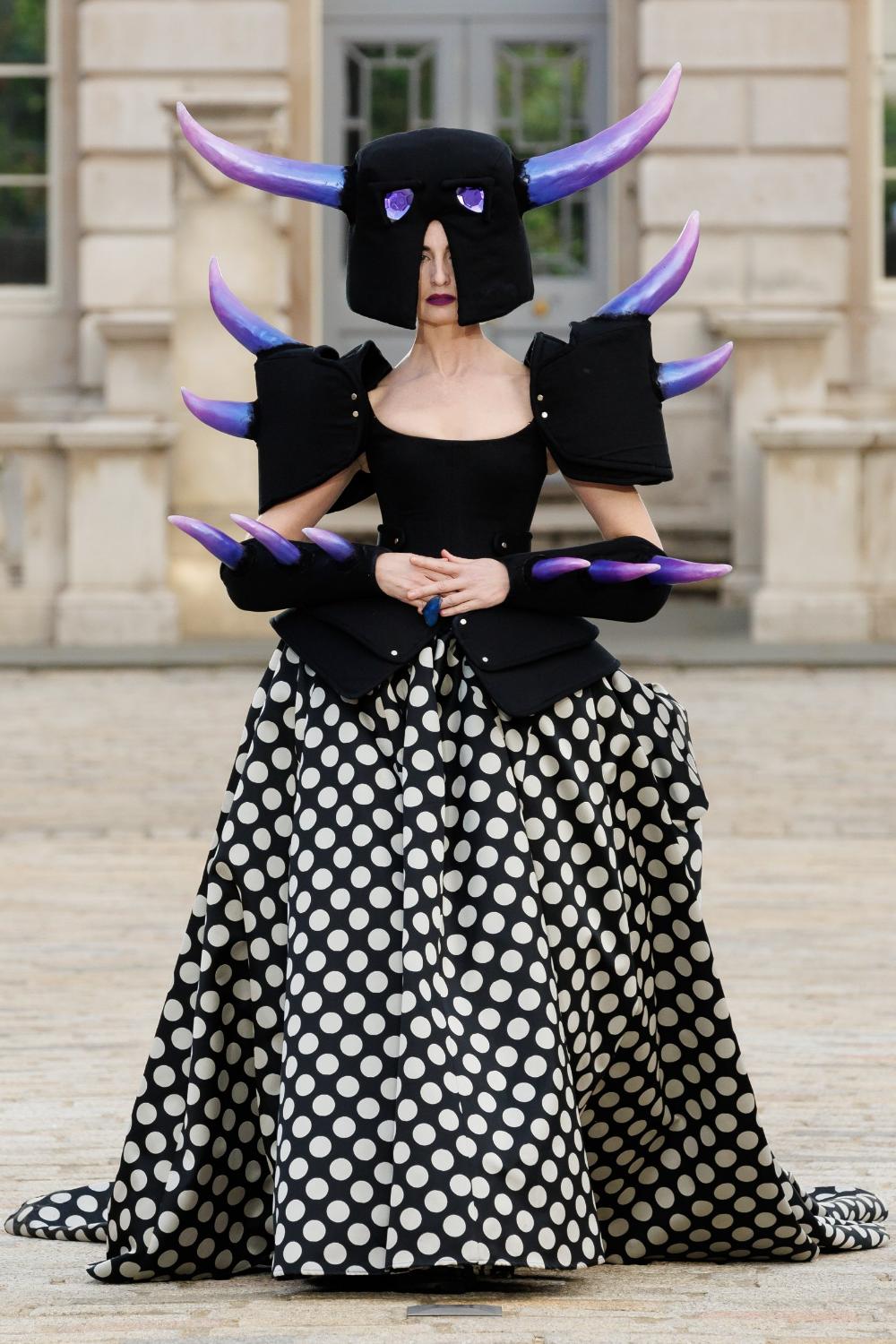
Charles Jeffrey Loverboy Menswear Spring 2025 [London] Creative Direction: Charles Jeffrey; Photo: Provided by brand
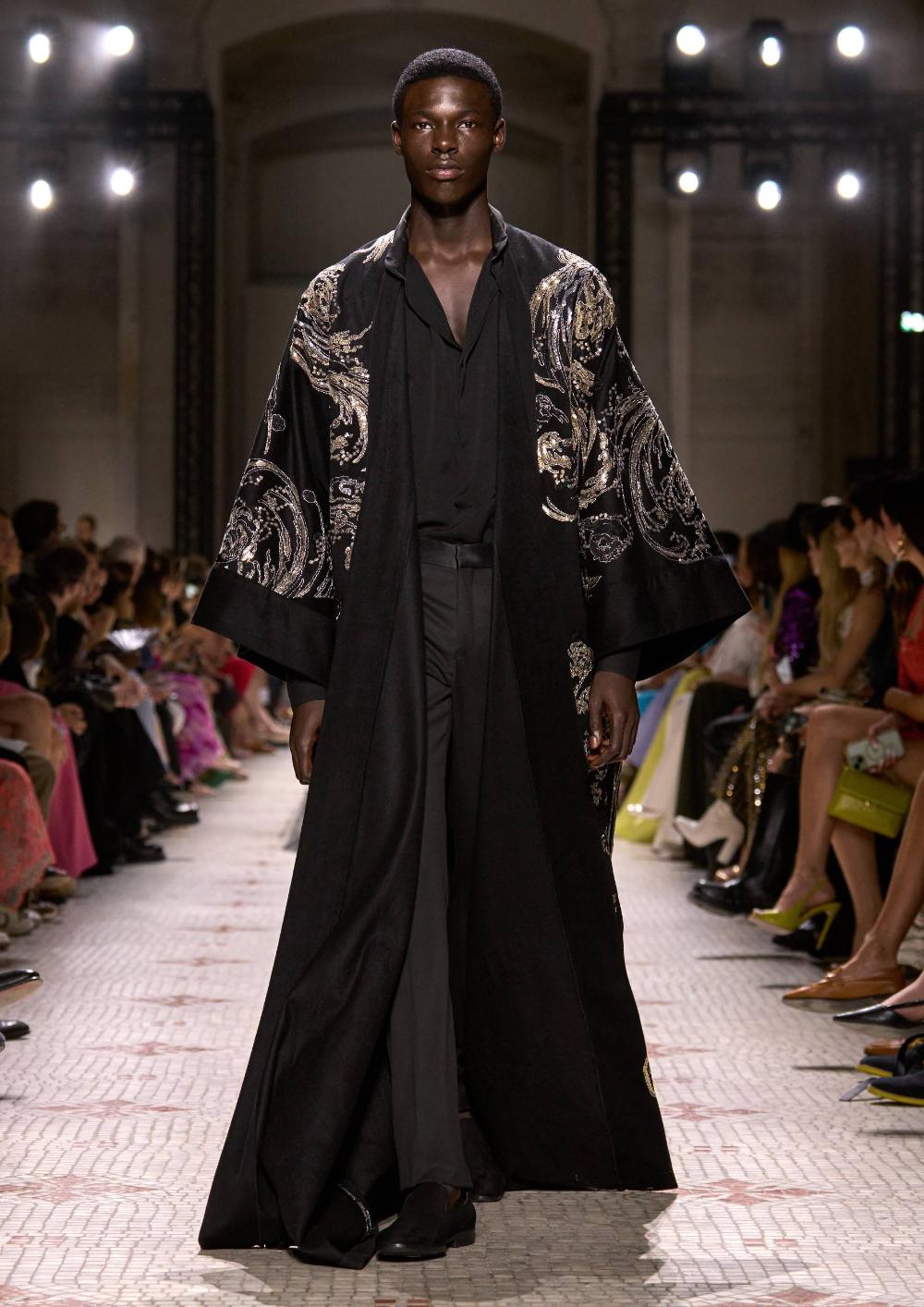
Elie Saab Fall 2024 Haute Couture [Paris] Creative Direction: Elie Saab; Photo: Provided by brand
Brand Values
Brand values can include concepts like inclusivity or sustainability. Sinéad O’Dwyer is known for inclusivity; PLNGNS is known for sustainability and upcyling. As with brand personality, the brand values must reflect those of the target audience to make a connection.
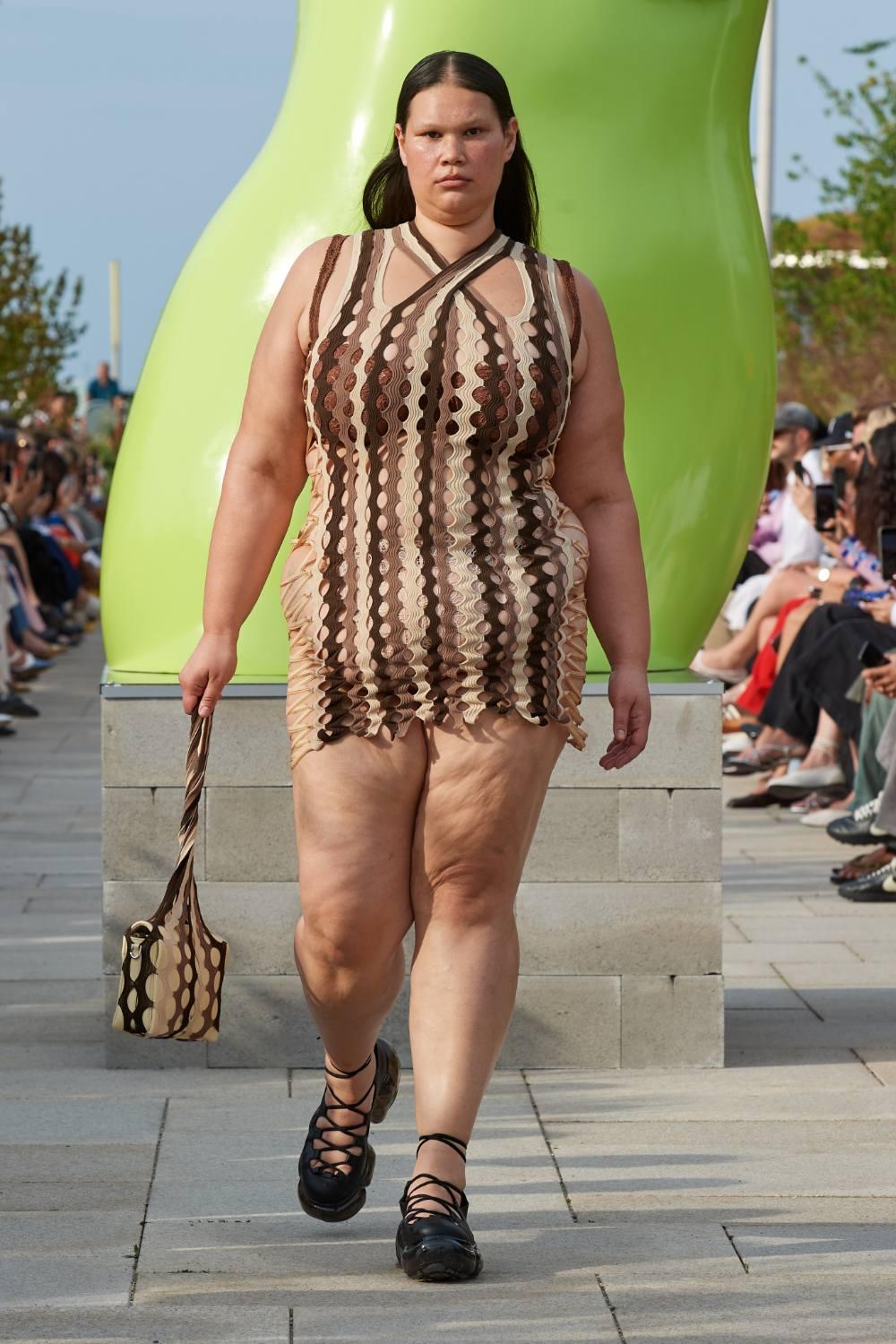
Sinéad O’Dwyer Spring 2025 [Copenhagen] Creative Direction: Sinéad O’Dwyer; Photo: James Cochrane for Copenhagen Fashion Week
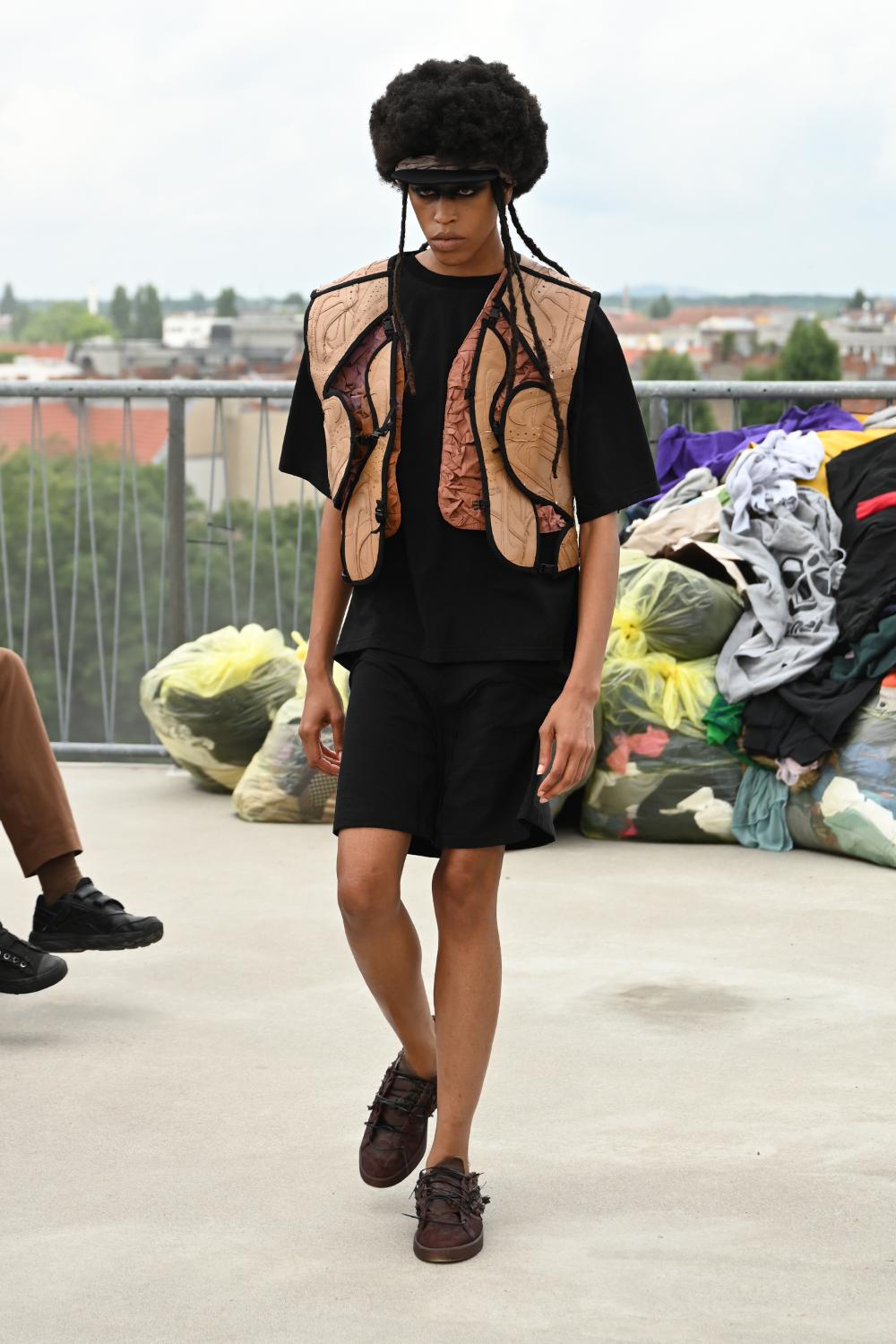
PLNGNS Spring 2025 [Berlin] Creative Direction: Mitya Hontarenko; Photo: The Fashion Fold
- - - Advertisement - - -
Why is Fashion Branding So Important?
The fashion landscape is extremely crowded – new fashion labels are being established all the time. Fashion branding is what makes that brand stand out – it creates a cohesive identity that enables it to connect with its target audience and form a bond with them, which in turn creates brand loyalty.
Fashion Branding Allows You to Connect With Your Target Audience
Your brand’s values, personality and identity must resonate with those of your target audience for them to feel connected to it. A brand such as Marimekko with its strong prints and colours portrays a different personality than one such as Haderlump with its dark colours and more techwear styles.
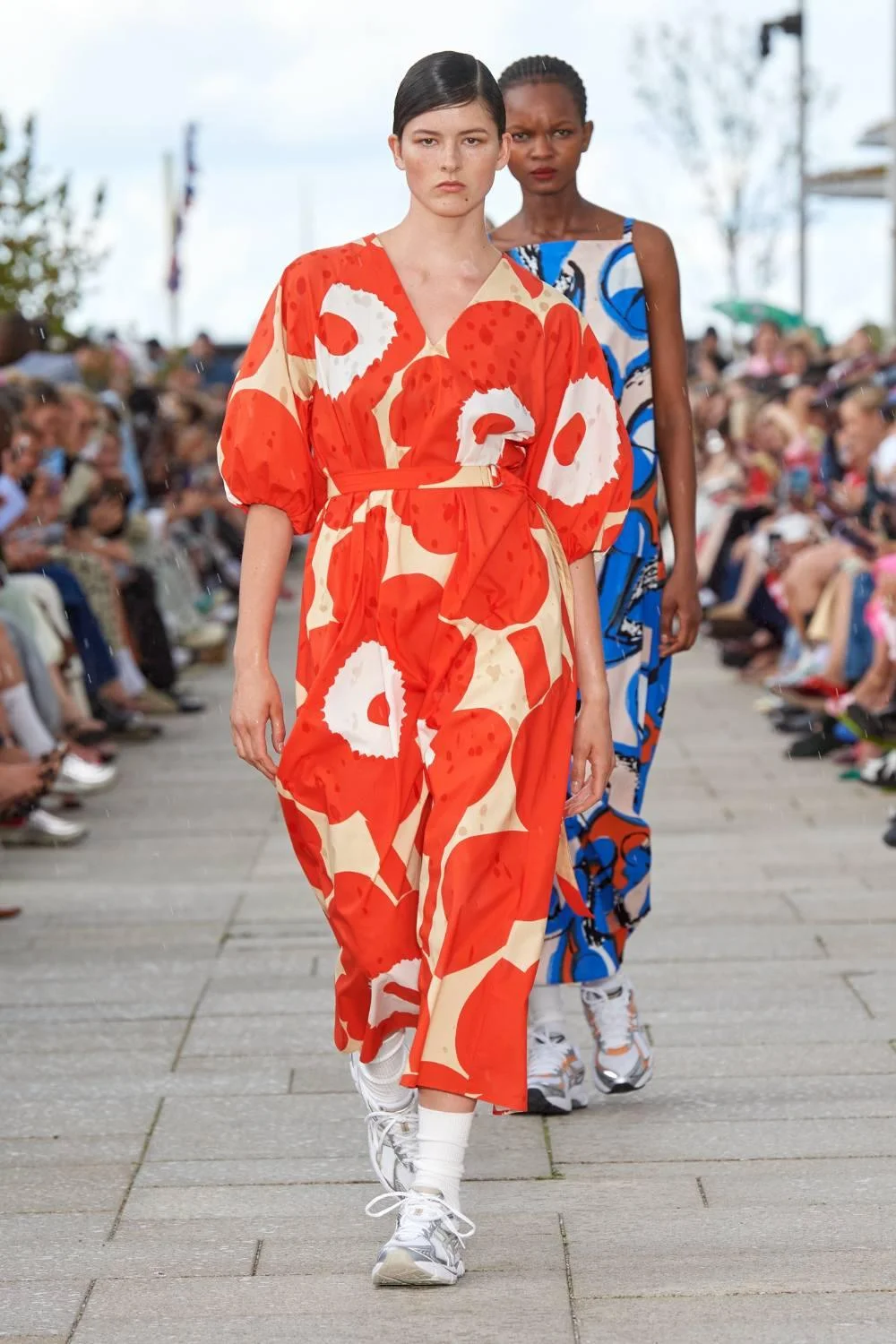
Marimekko Spring 2025 [Copenhagen] Creative Direction: Rebekka Bay; Photo: James Cochrane for Copenhagen Fashion Week

Haderlump Spring 2025 [Berlin] Creative Direction: Johann Ehrhardt; Photo: The Fashion Fold
Fashion Branding Establishes Your Market Position
A fashion brand’s market position defines where it stands within the market – luxury, bridge, fast fashion, etc., and this in turn defines many aspects of the brand itself: pricing, marketing, and target audience.
Fashion Branding Defines Both Connection and Perception
Fashion branding exists not only to make the brand recognizable but also to create a connection with the target audience and to shape the public’s perception of the brand itself. Making a connection is important as it creates brand loyalty; public perception of the brand is equally as signifant. Poor perception can decrease the value attached to a brand, making it lose customers and brand equity, while a good perception can create new connections and raise brand equity.
Fashion Branding Creates Consistency
When a fashion label has established rules for its branding – a logo, a monogram, a defined colour palette, etc., there will be consistency across all touchpoints – brick and mortar stores, ecommerce, social media, etc. This is extremely important both to reinforce the message of the branding itself and make it more familiar to the public, and also to ensure that it is clear at every stage which brand consumers are dealing with. This, of course, does not mean plastering logos and labels everywhere in a sort of logomania style. It does mean that important media and documentation, along with garment tags, shoe boxes, etc., should all carry your logo. This denim jacket by Natasha Zinko features a tag with the brand’s ‘NZ’ monogram.
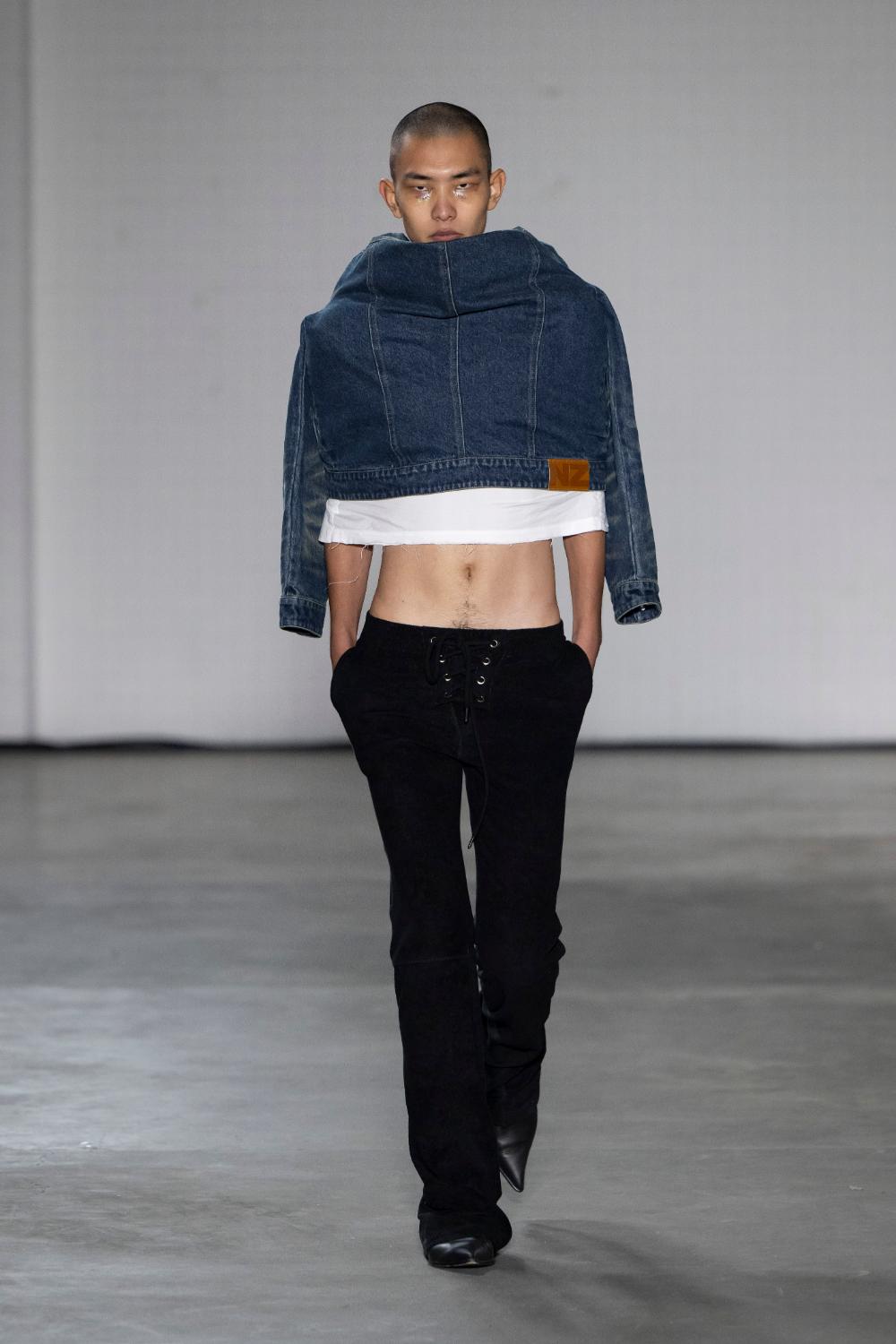
Natasha Zinko Spring 2025 [London] Creative Direction: Natasha Zinko; Photo: Provided by brand
With Consistency and Strength of Branding Comes Brand Equity
As a brand becomes more familiar to consumers, it starts to generate brand equity – this is the value of the brand itself in the minds of the public. Brand equity affects many things – the price a brand can charge (and how much a customer is willing to pay for it), how much a brand is trusted over its competitors, and a brand’s perceived quality, for example. Strong brand equity gives a competitive advantage thanks to customer loyalty. Think of Chanel again – a quilted flap bag without that interlocking C monogram would cost just a fraction of the price that Chanel charge for it.
Whether you’ve started your fashion brand already or are still in the development stages, fashion branding is an essential part of the process. If you need some insight regarding branding and/or establishing a target audience, your position in the market, or other aspects of the process, get in touch.
The photo used in the featured image is by Eva Bronzini.

London College of Fashion alumna (PGCert Fashion Buying & Merchandising). 15 years in fashion across styling, buying & merchandising, trend forecasting, e-commerce, and marketing. Includes roles at Vivienne Westwood and multi-brand retail stocking 50+ brands including Adidas, Nike, and Puma.