Let’s Be Real: Celebrities as Creative Directors is Actually Absurd
…and we should have learned this years ago.
Jaden Smith’s appointment at Christian Louboutin is just the latest example of celebrities as creative directors. His debut collection is all over social media right now—and not for the right reasons. It has been called—amongst other things—a “first-semester student project”[1] and “a blatant insult to designers who’ve spent years mastering pattern-making and honing their craft.”[2]
Celebrities as creative directors aren’t expected to do great things in the first place: back in 2020, Chloe Foussianes wrote, “Succeeding—really succeeding, not just selling stuff with a famous name attached—in the fashion industry as a celebrity is almost unheard of.”[3]
And so—like many celebrity appointments past—many didn’t have high hopes for this collection in the first place, which can be called “referential” at best: Vivienne Westwood sack shoes/sneakers, Givenchy shark boots… ideas that have been done, copied, and mass-produced a thousand times over.
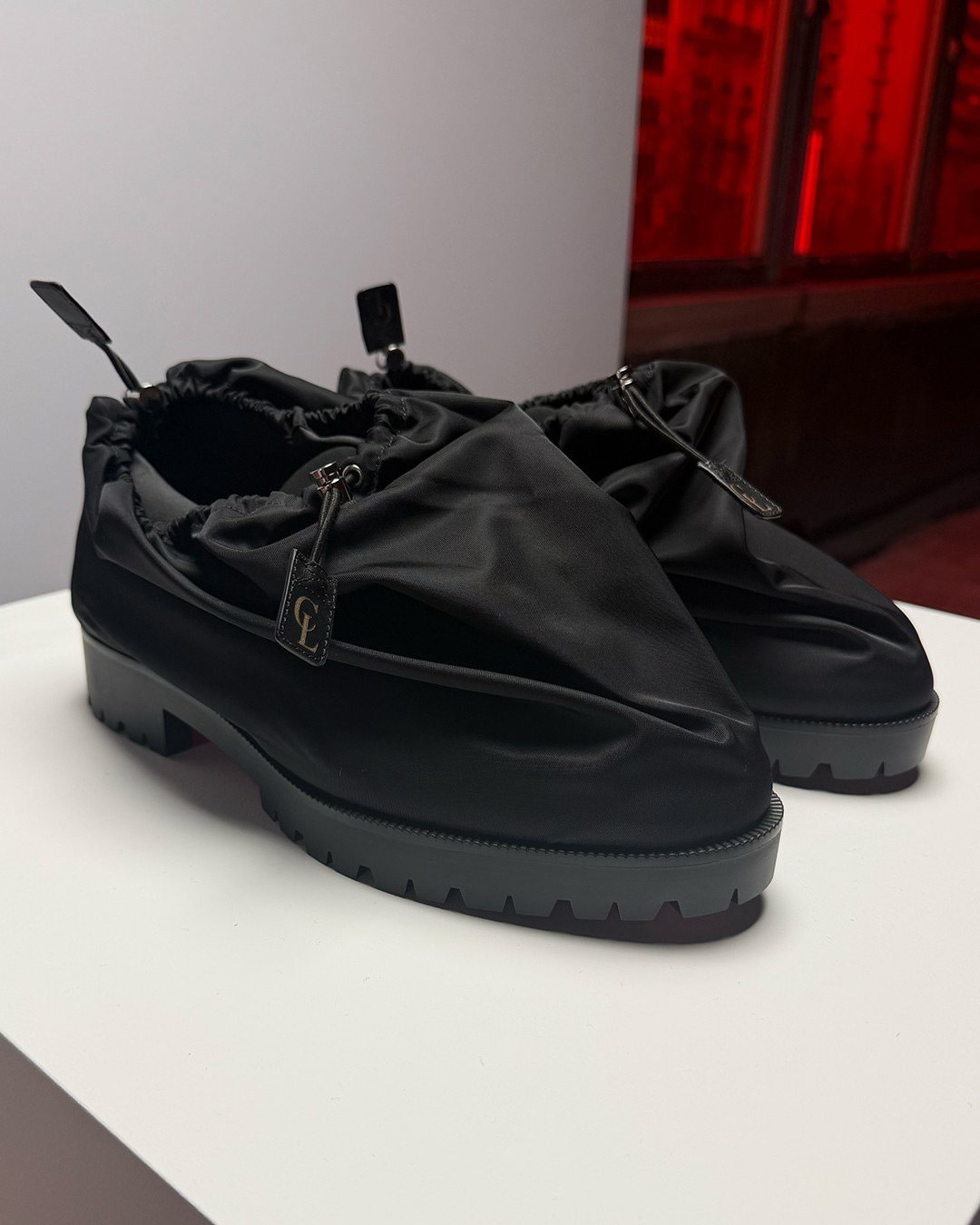
Jaden Smith for Christian Louboutin, 2026; Source: @hypebeast via Instagram[4]
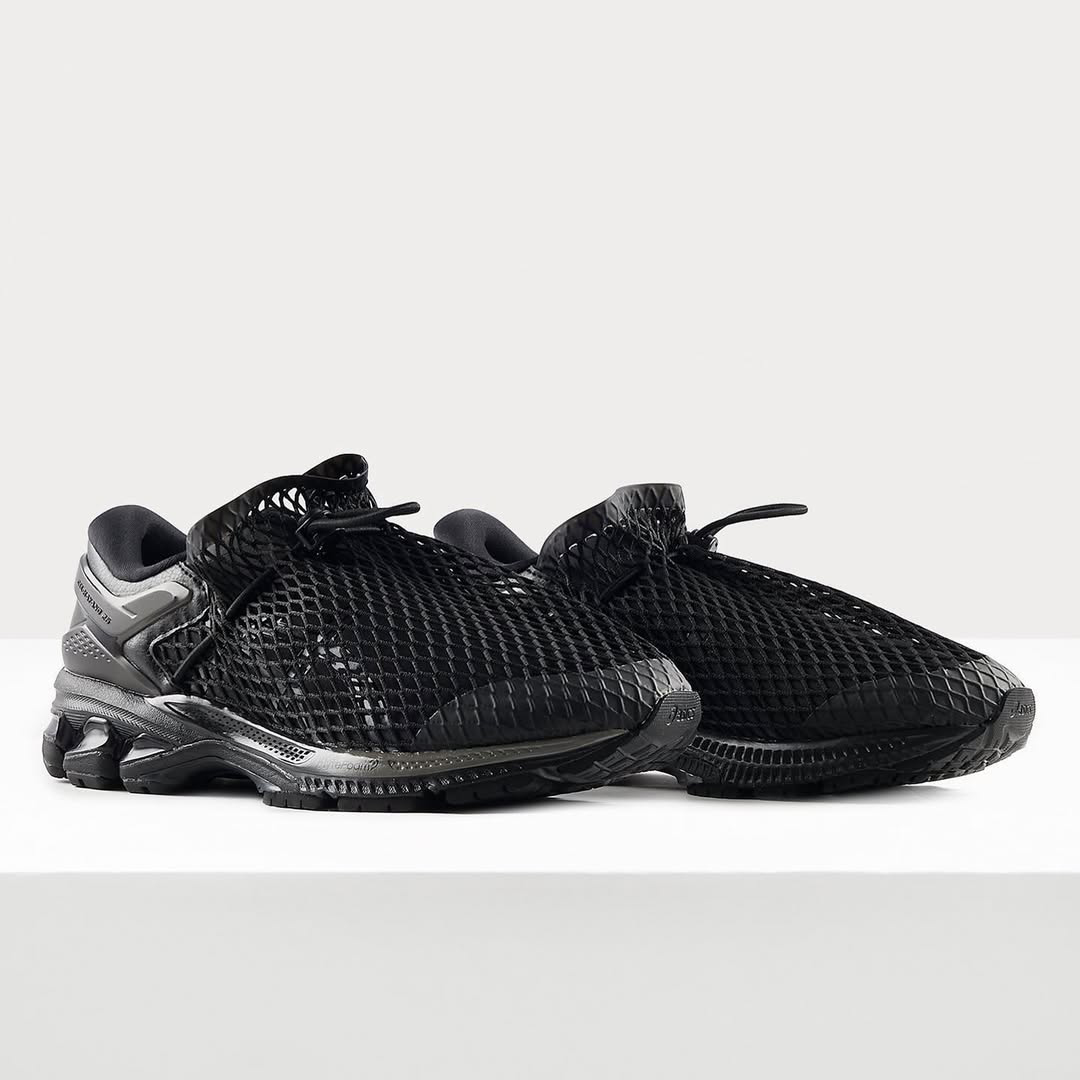
Vivienne Westwood x Asics Gel-Kayano 26, 2020; Source: @xiao.jing.f via Instagram[5]
The above images compare the Jaden Smith x Louboutin sneakers with the Vivienne Westwood x Asics Gel-Kayano 26 collaboration from 2020; the latter being inspired by Westwood’s sack shoe design first used in her 1980s Nostalgia of Mud collection – see below.
LONDON, ENGLAND – AUGUST 25: A pair of Vivienne Westwood designed Anglophilia Sack Boots from 2002 are displayed prior to ‘Vivienne Westwood Shoes: An Exhibition 1973- 2010’ at Selfridges Ultra Lounge on August 25, 2010 in London, England. (Photo by Ian Gavan/Getty Images)
Moving on from the Vivienne Westwood comparison, here’s the real question: why was Jaden Smith hired as creative director in the first place?
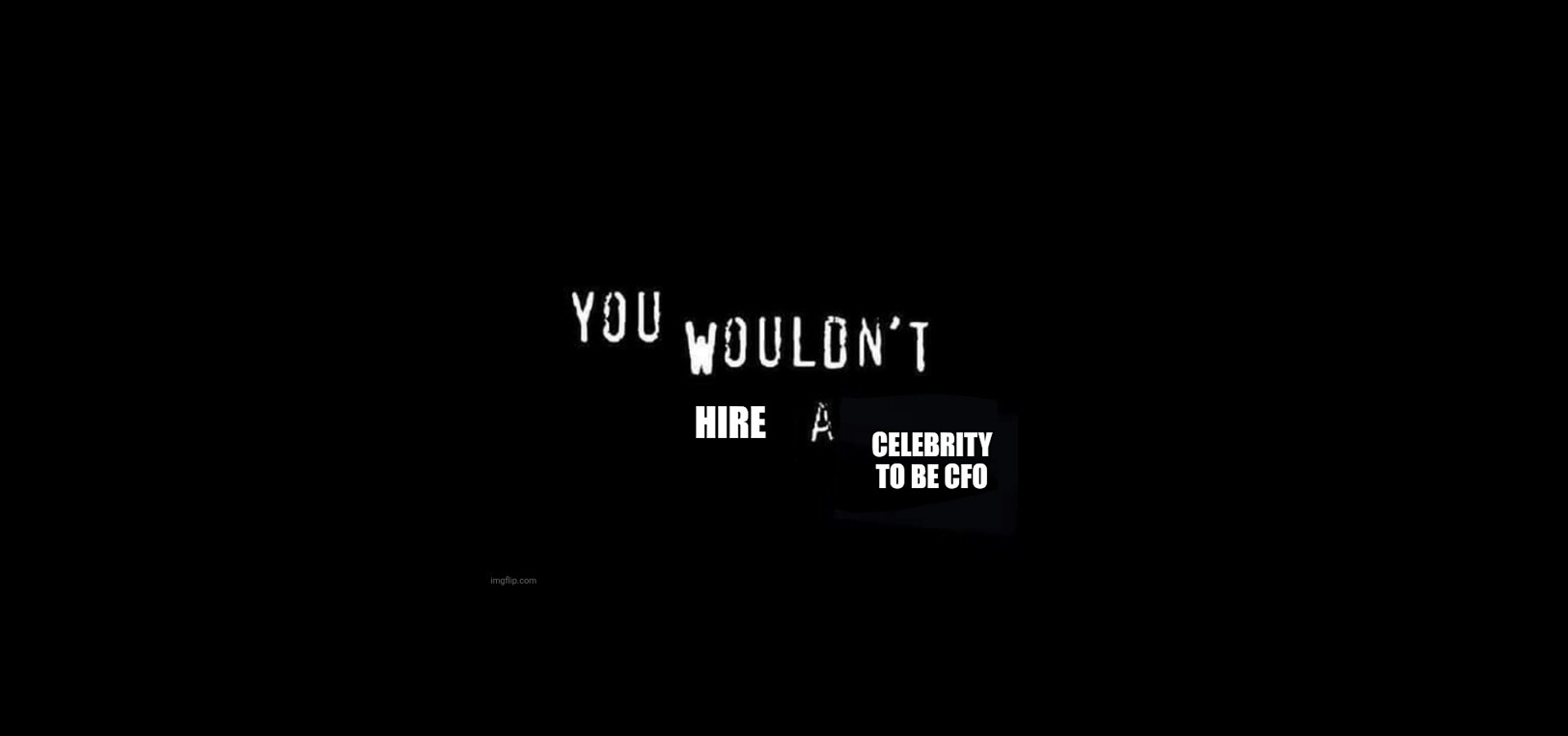
This isn’t about Jaden Smith specifically, but it’s about an industry-wide pattern of brands hiring celebrities as creative directors. These celebrities generally have massive followings but zero fashion training. This raises an uncomfortable question that the fashion industry keeps avoiding: you wouldn’t hire a celebrity to be your CFO or head of merchandising—so why do they get a pass for this specific role? Why do brands continue hiring celebrities as creative directors?
You wouldn’t hire a celebrity to be your CFO or head of merchandising—so why do they get a pass for this specific role? Why do brands continue hiring celebrities as creative directors?
Celebrities as Creative Directors: The Bad
We’ve been through this problem before, and despite it having failed miserably in the past, the fashion industry doesn’t seem to want to learn that certain skills or fashion credentials are not transferable to the post of creative director. Back in 2023, Anna Solomon wrote, “unless there is a clear reason for the star in question to receive their position, the appointments still seem like sponsored endorsement, just on a larger scale.”[6] This seemed to definitely be the case for the disastrous appointment of Lindsay Lohan at Emanuel Ungaro over 10 years ago.
Lindsay Lohan at Emanuel Ungaro (2009)
In possibly one of the most notorious “celebrities as creative directors” appointments, Lindsay Lohan was appointed artistic advisor to struggling French house Emanuel Ungaro in 2009—apparently with a multiyear contract worth millions.[7] At the height of her tabloid fame and constantly in the press for personal struggles, Lohan was the perfect choice if you needed a celebrity to generate headlines. And the financially ailing Ungaro certainly needed publicity at the time.
This is the textbook example of a celebrity being used as a publicity stunt. The appointment was so divisive that Esteban Cortazar—Ungaro’s creative director at the time—left the brand. He was replaced by Estrella Archs, who was then tasked with working alongside Lohan.[8] This wasn’t about design at all, this was just about using Lindsay Lohan’s constant paparazzi coverage to get press attention.
Lohan had no design experience, no fashion training, and seemingly no understanding of Ungaro’s heritage. The Spring 2010 collection from Lohan and Archs was universally panned. It featured bodycon dresses, lots of hot pink, and heart-shaped nipple pasties—none of which were associated with the brand.
PARIS – OCTOBER 04: A model walks the runway Emmanuel Ungaro Pret a Porter show as part of the Paris Womenswear Fashion Week Spring/Summer 2010 at Le Carrousel du Louvre on October 4, 2009 in Paris, France. (Photo by Dominique Charriau/WireImage)
France – Emanuel Ungaro – Ready-to-Wear Spring/Summer 2010 – Paris Fashion Week: Model on the runway presents the Emanuel Ungaro Spring/Summer 2010 ready-to-wear collection, during Paris Fashion Week. (Photo by Stephane Cardinale/Corbis via Getty Images)
“…unless there is a clear reason for the star in question to receive their position, the appointments still seem like sponsored endorsement, just on a larger scale.”
— Anna Solomon, Luxury London[6]
Justin O’Shea at Brioni (2016)
Italian tailoring house Brioni gave the same concept a try in 2016, except they chose somebody who did have fashion experience. Justin O’Shea seemed like a great pick on paper—and perhaps doesn’t technically fit the mold of “celebrities as creative directors” since he had industry credentials.
O’Shea was a fashion buyer, MyTheresa.com’s buying director, and a heavily-photographed street style celebrity, with an aesthetic that made him an influencer before influencers were a thing.
PARIS, FRANCE – JUNE 22: Justin O’Shea wearing a black suit and vest outside Haider Ackermann during the Paris Fashion Week Menswear Spring/Summer 2017 on June 22, 2016 in Paris, France. (Photo by Christian Vierig/Getty Images)
Brioni appointed him creative director in March 2016. He lasted seven months.
I remember hearing the news and feeling immediately sceptical, and I didn’t seem to be alone: Luke Leitch of Vogue couldn’t even bring himself to use O’Shea’s official title, instead calling him the “big creative cheese”[9] – a flippant phrase that suggested the appointment was more style than substance.
PARIS, FRANCE – JULY 4: A model walks the runway during the Brioni Presentation designed by Justin O’Shea Haute Couture Fall/Winter 2016-2017- as part of Paris Fashion Week on July 4, 2016 in Paris, France. (Photo by Estrop/Getty Images)
PARIS, FRANCE – JULY 4: A model walks the runway during the Brioni Presentation designed by Justin O’Shea Haute Couture Fall/Winter 2016-2017- as part of Paris Fashion Week on July 4, 2016 in Paris, France. (Photo by Estrop/Getty Images)
His only collection, Spring 2017 Menswear, was critically panned. The problem wasn’t that O’Shea didn’t have fashion knowledge: he did, but in the wrong discipline.
Imagine hiring an accountant to run marketing because “they both work with numbers”. Or appointing a nurse as a surgeon because “they both work in hospitals.” The skills just don’t transfer.
Buying fashion and designing fashion are completely different skill sets. A buyer selects from existing collections, understands merchandising, and knows what sells. A designer creates from nothing, understands construction, and leads a design team.
O’Shea had the first skill set. Brioni needed the second.
“In advance of his first ever show as big creative cheese at Brioni today…”
—Luke Leitch, Vogue Runway[9]
Jaden Smith at Christian Louboutin (2025-?)
Sixteen years after Lindsay Lohan’s Ungaro disaster, the pattern continues. In 2025, French footwear house Christian Louboutin appointed Jaden Smith—actor, musician, and son of Will Smith—as men’s creative director.
The debut collection has sparked… conversation.
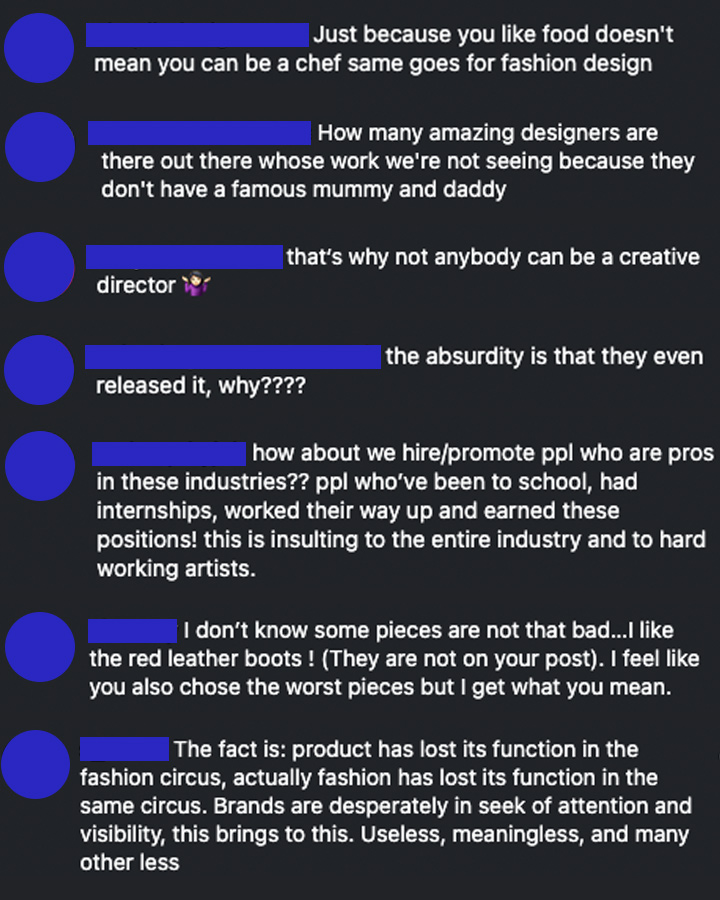
Comments on an Instagram post, 2026; Source: @boringnotcom via Instagram[10]
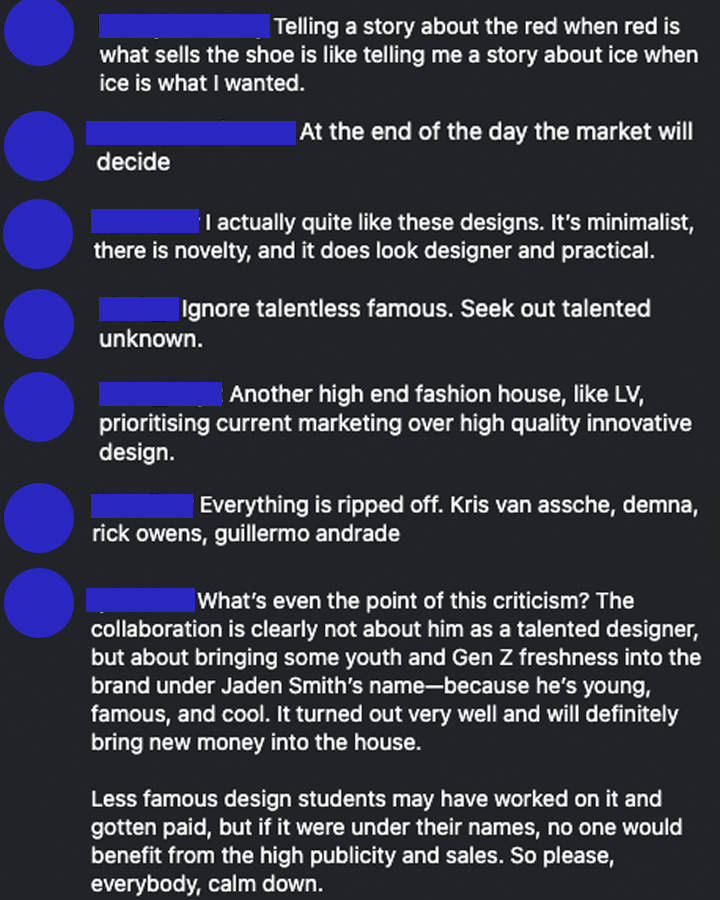
Comments on an Instagram post, 2026; Source: @iwenttotheartschool via Instagram[1]
Social media comments have pointed out visual echos of Timberland, Kris Van Assche, Givenchy, and other brands. The furry boots evoke Bogner’s ski boot aesthetic. The perforated, so-called “Swiss cheese” loafers are reminiscent of Prada’s recent retro-futuristic porthole-heavy collection, though loafers in this style are not a new concept by any means.
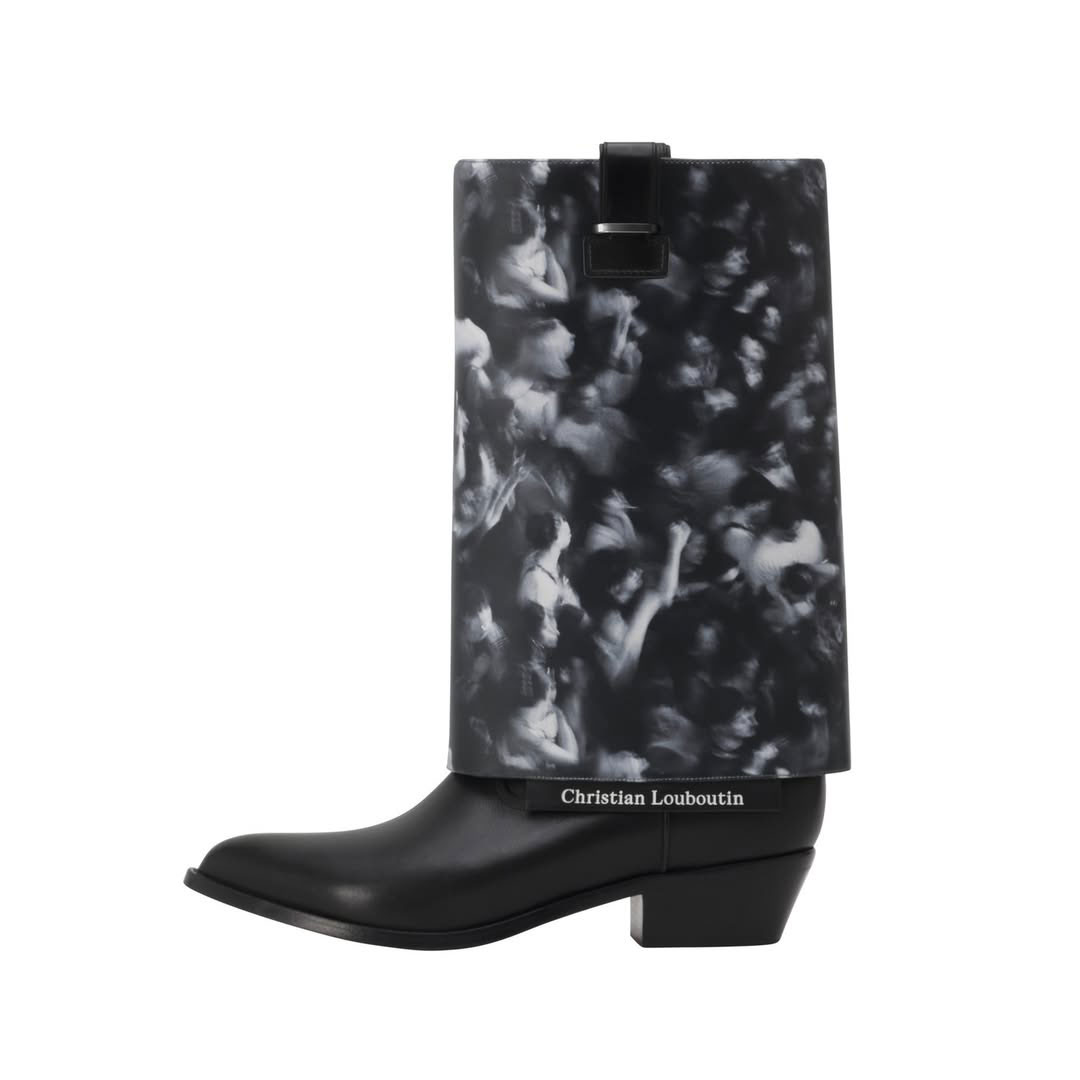
Jaden Smith for Christian Louboutin; Source: @footwearnews via Instagram[11]
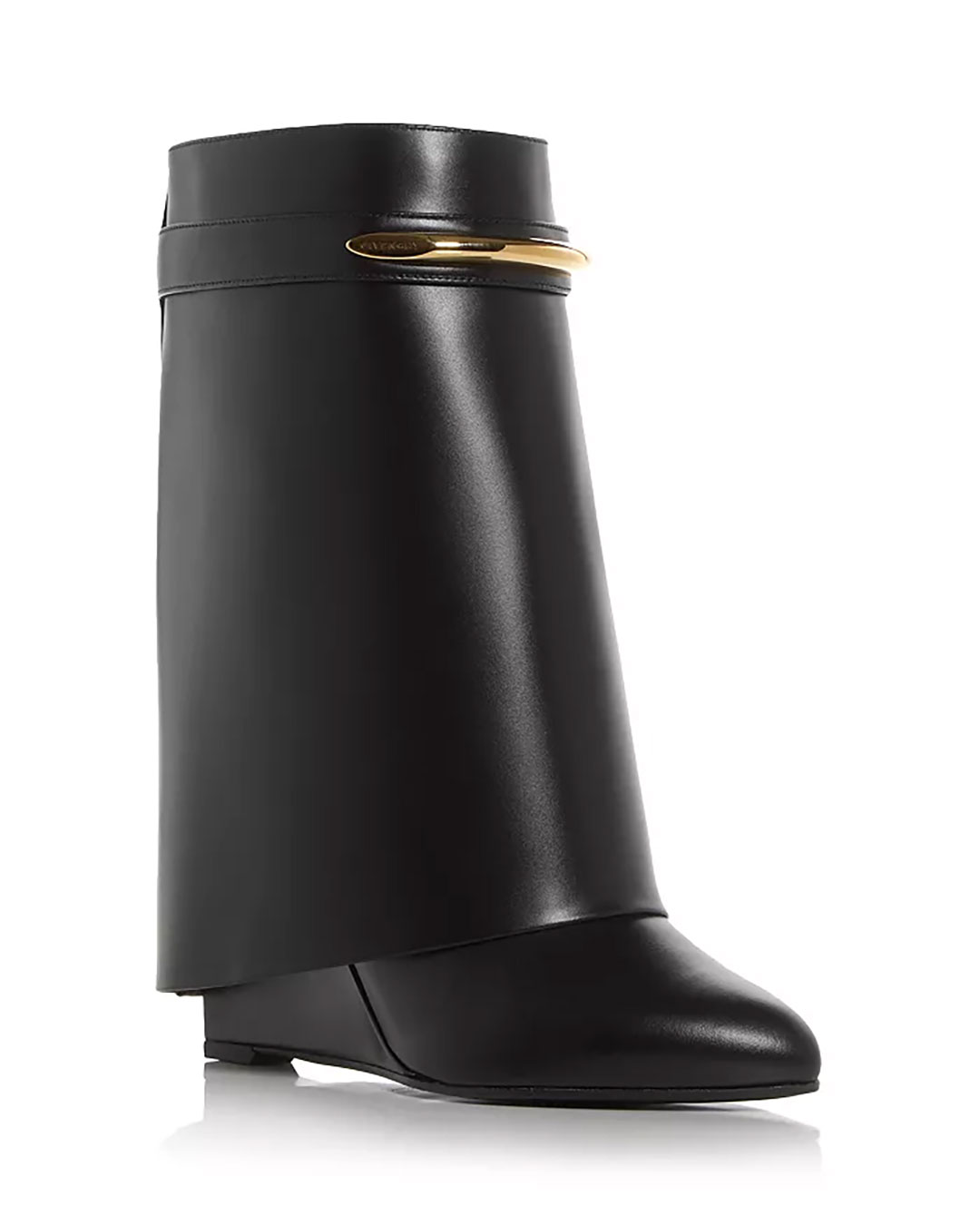
Givenchy Shark Boot, 2026; Source: Bloomingdale’s.com[12]
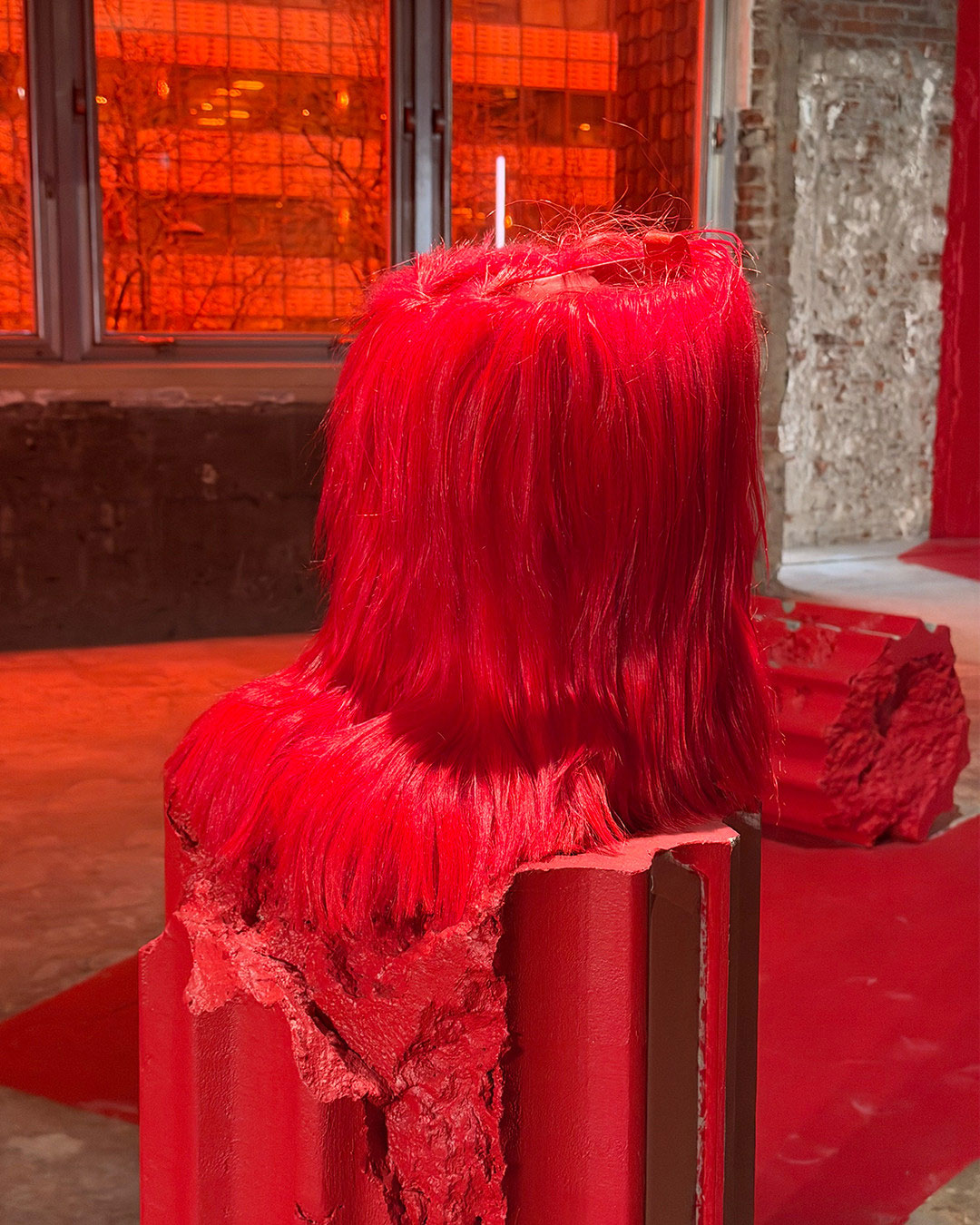
Jaden Smith for Christian Louboutin, 2026; Source: @hypebeast via Instagram[4]
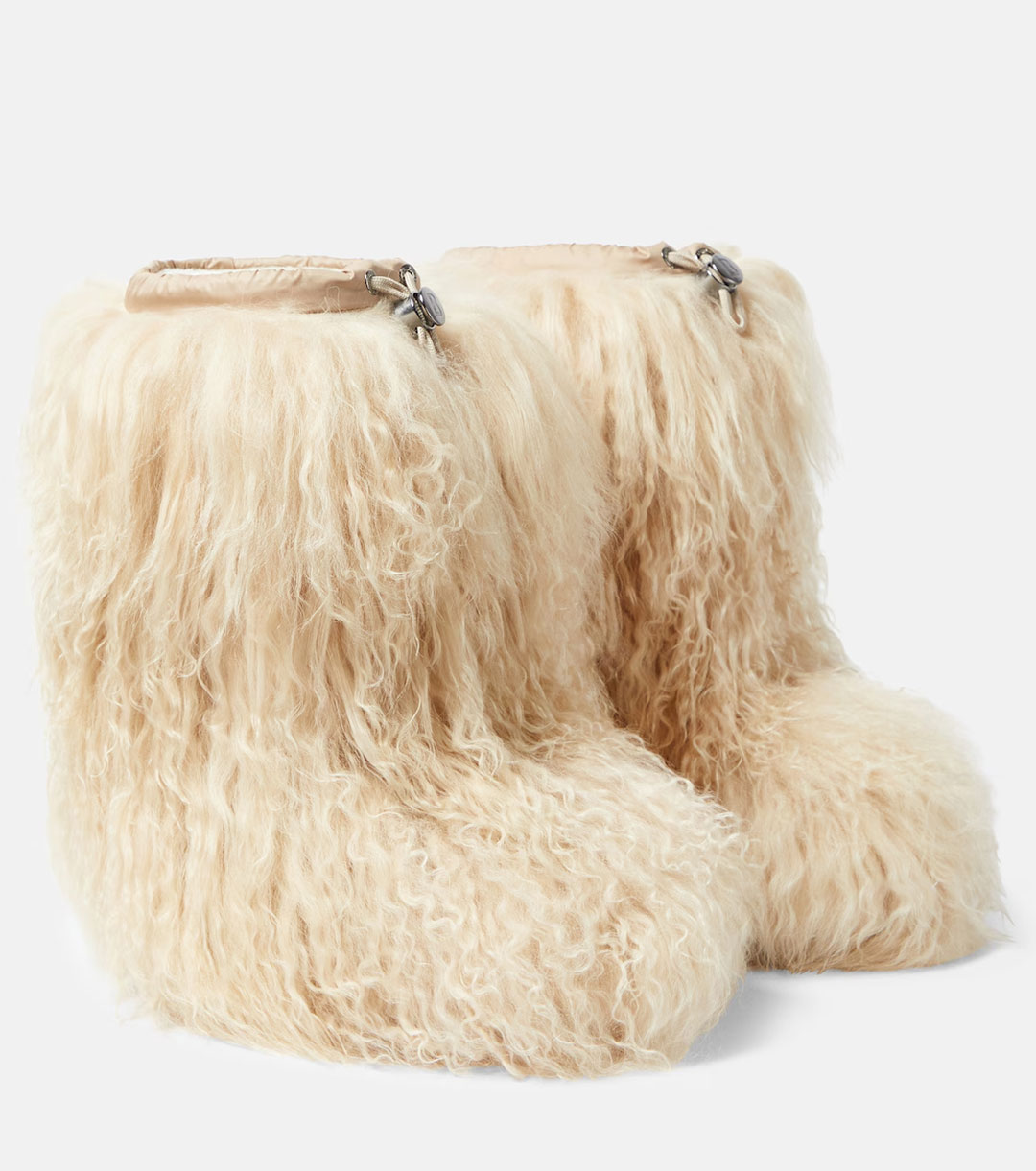
Bogner ski boots, 2026; Source: myTheresa.com[13]
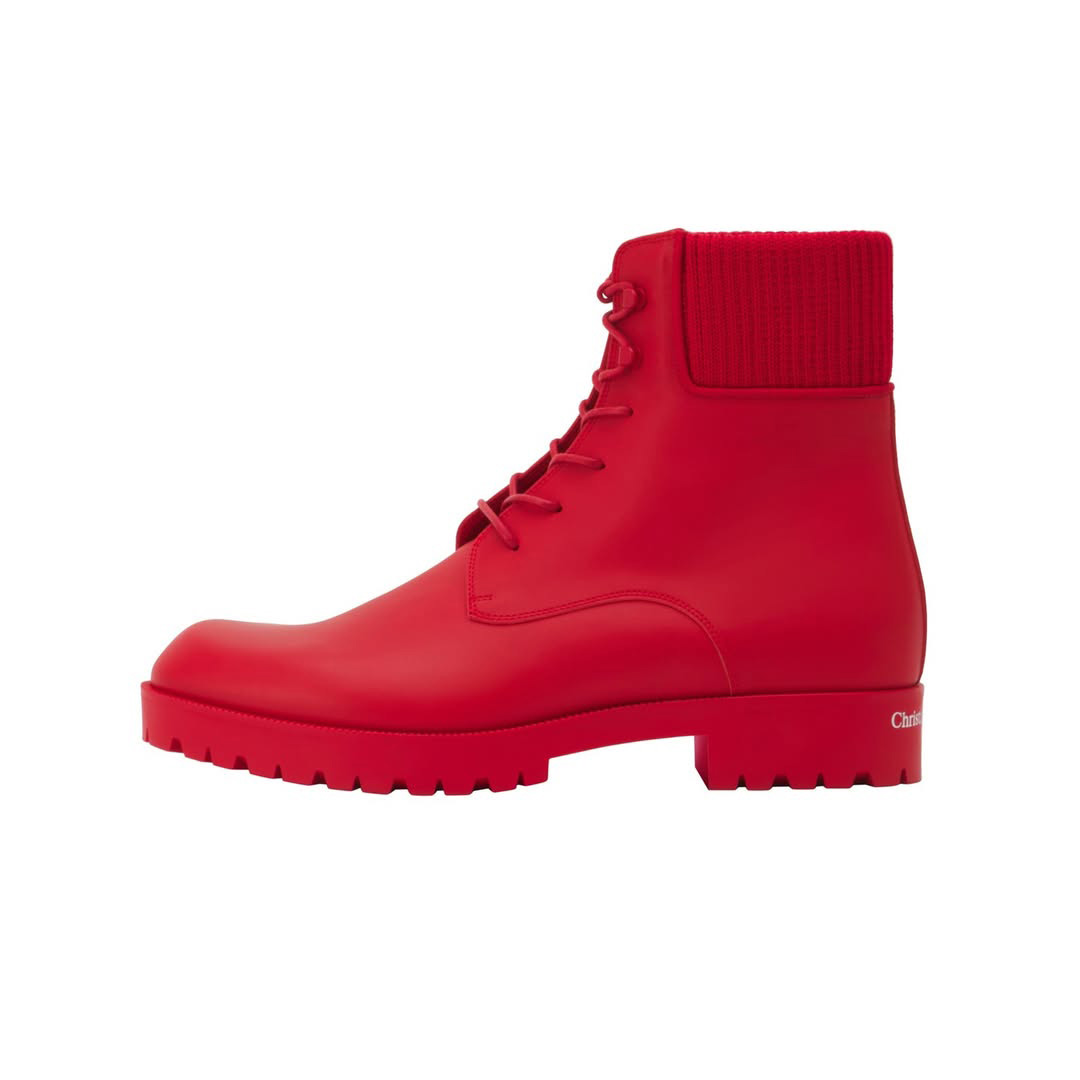
Jaden Smith for Christian Louboutin; Source: @footwearnews via Instagram[11]
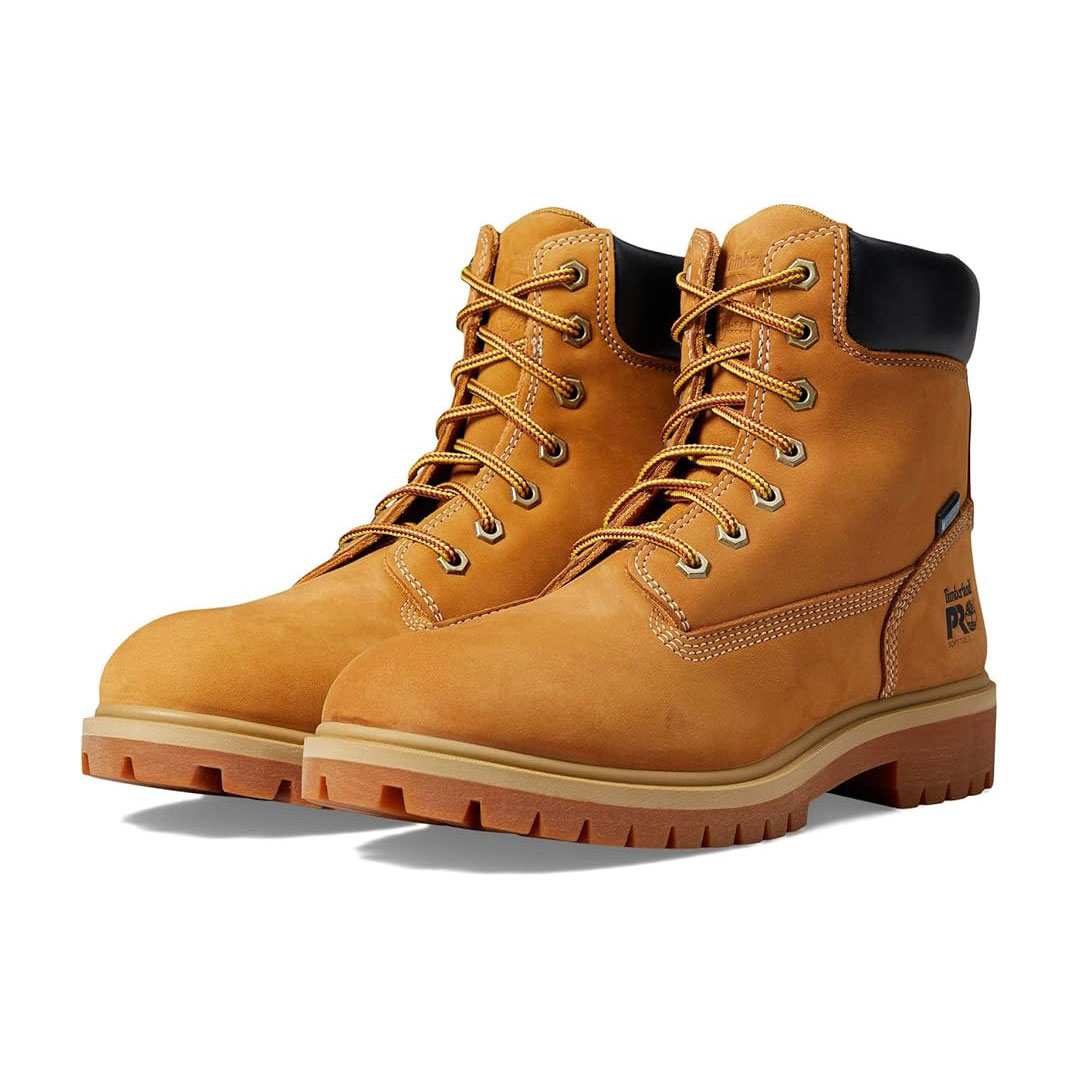
Timberland boots; 2026; Source: Zappos.com[14]
Fashion is inherently referential, that can’t be denied. Designers build on each other’s work constantly. Trends migrate from runway to runway, evolving and transforming as each designer interprets them from their own perspective.
The problem with Smith’s collection is that the references didn’t evolve. They simply appeared in the final product, mostly unchanged. From Steffani Samson at Lifestyle Inquirer: “…even when a design lands, it’s hard to ignore how much the line leans on the archives of Kris Van Assche and the visual language of designers like Virgil Abloh.”[2]
Context matters here: commercial high street brands produce quasi-reproductions all the time—that’s the business model.
But Christian Louboutin is a luxury brand with three- and four-figure price points. Consumers at this level expect innovation, not iterations of trends that high street brands mass-produced years ago. When Zara—and many other brands besides—have already copied the shark boot silhouette, what justifies a four-figure luxury version? At that price, you’d buy the original from Givenchy.
Commercial Reception So Far: Accessories Outselling Shoes?
The collection launched to considerable press attention on January 22nd, 2026. As of February 7, 2026 – more than two weeks later – Christian Louboutin’s website tells a revealing story: nearly all footwear sizes remain available across the collection. Meanwhile, the gorpcore-style harness belt – priced at $1,990 – has sold out entirely.
This shows that the marketing worked: people noticed, they browsed the products and made purchases… they just bought accessories instead of shoes.
This shows that the marketing for Jaden Smith’s collection worked: people noticed, they browsed the products and made purchases… they just bought accessories instead of shoes.
This selective purchasing is telling: for a “footwear creative director” appointment at one of the world’s most famous shoe brands, having accessories sell out while the footwear barely moves is damning evidence that the designs didn’t resonate with the target consumer.
But here’s the real question: Why was someone with no fashion training appointed creative director of a luxury footwear house in the first place?
- - - Advertisement - - -
Celebrities as Creative Directors: The Good
…though not necessarily financially successful. Time to give credit where credit is due. Some of these “celebrities as creative directors” appointments have worked out, but there is a specific reason for that. Here’s a few examples.
Rihanna at Fenty Beauty and Savage X Fenty (2017-Present)
Rihanna is one of the rare celebrity designers who have succeeded: not by accident, and not without some failures along the way.
Fenty Beauty (launched 2017) and Savage X Fenty (launched 2018) succeeded for a specific reason: they identified a gap in the market and delivered what established brands had ignored. When Fenty Beauty launched with 40 foundation shades, the major beauty brands were offering 10-15.
NEWCASTLE UPON TYNE, UNITED KINGDOM – MAY 10: Fenty Beauty will be available in 32 Boots locations. (Photo by Ian Forsyth/Getty Images for Fenty Beauty)
Savage X Fenty applied the same strategy to lingerie, offering not just inclusive sizing, but also inclusive shades of nude underwear.[15] Launching at New York Fashion Week in 2018, the excitement about the brand was clear. “Savage X Fenty show has just started and I can already tell that this lingerie brand is going to kick Victoria’s Secret’s butt. Strong athletic women, no silly headdresses or diamond bras,” tweeted the journalist Christina Binkley, as she sat enthralled.[15]
“Savage X Fenty show has just started and I can already tell that this lingerie brand is going to kick Victoria’s Secret’s butt. Strong athletic women, no silly headdresses or diamond bras,” tweeted the journalist Christina Binkley, as she sat enthralled.[15]
While not the first inclusive sizing brand, Rihanna’s involvement brought mainstream visibility to what had been a niche market. Major lingerie brands routinely stopped at size 14 or XL, while Savage X Fenty went to 3X and beyond, in the process discovering an underserved market eager to spend.
By 2025, Fenty Beauty and Savage X Fenty had a combined valuation exceeding $3 billion.[16]
This is the crucial difference between Rihanna and the failures examined earlier: she identified gaps in the market[17] and built products to fill them. Lindsay Lohan at Ungaro offered nothing the market lacked – bodycon dresses had been done before, created by Azzedine Alaïa in the 1980s, then reaching peak popularity in the 2000s thanks to Hervé Léger.[18]
Justin O’Shea grafted his ‘rock-n-roll’ aesthetic—and, inexplicably, an ad campaign featuring Metallica[9]—onto a heritage tailoring house. Jaden Smith at Louboutin is producing designs the market has already tired of.
Rihanna succeeded because she gave consumers something they couldn’t get elsewhere. The others failed because they didn’t.
But even Rihanna’s success has limits.
NEW YORK, NEW YORK – FEBRUARY 07: Robyn Rihanna Fenty and Linda Fargo celebrate the launch of FENTY at Bergdorf Goodman. (Photo by Dimitrios Kambouris/Getty Images for Bergdorf Goodman)
In 2019, LVMH partnered with Rihanna to launch Fenty, a ready-to-wear fashion line. It lasted two years.
Despite massive hype and Rihanna’s proven track record with beauty and lingerie, the clothing line failed to gain traction. Accessories—sunglasses and jewellery—sold.[19] The actual clothing didn’t… sound familiar? Rihanna lost $36 million on the venture before LVMH quietly shut it down in 2021.[20]
The pattern even Rihanna couldn’t escape: when the product doesn’t connect with consumers, celebrity attachment doesn’t matter. Her beauty and lingerie lines succeeded because they solved problems, while her clothing line failed because it didn’t. No amount of star power compensates for a product consumers don’t want.
If Rihanna can fail when the product-market fit isn’t right, what chance does Jaden Smith have?
- - - Advertisement - - -
Victoria Beckam at Victoria Beckham (2008-Present)
Gaining fame first as a member of the Spice Girls in the 1990s, then remaining in the spotlight after marrying footballer David Beckham, Victoria Beckham launched her eponymous fashion brand in 2008.
It took years for her to even be considered more than just “a celebrity dabbling in design.”[21] Lisa Armstrong, head of fashion at The Telegraph looked back on the very beginning of the brand in an article at Stylist, noting, “it was quite discombobulating because she knew a lot about her clothes and how they’d been constructed. That shouldn’t have surprised us but it did, because we were so used to this endless cycle of cynically launched celebrity labels.”[22]
“…it was quite discombobulating because she knew a lot about her clothes and how they’d been constructed. That shouldn’t have surprised us but it did, because we were so used to this endless cycle of cynically launched celebrity labels.”
—Lisa Armstrong, interview in “How Victoria Beckham changed the way you dress,” Stylist[22]
Recognition did eventually come, as Beckham received the “Designer Brand” award at the British Fashion Awards in 2011, with the British Fashion Council, which noted that her business “has focused growth strategy with each new product range receiving media praise and achieving high levels of sell through. She is her own customer and this insight has created a label with many loyal followers across the globe.”[23]
However despite Victoria Beckham’s fame, and the esteem that her label attained, the brand has faced continuous difficulties, posting annual losses for the first 10+ years of its operation, including a loss of £12.3 million ($16.7 million) in 2018, with the label in £54 million ($73.5 million) of debt in 2022.[24] The brand continued solely because Beckham is able to invest money into it.
The first year that the label turned a profit was 2023, thanks to the help of the Victoria Beckham beauty line launched in 2019.[24]
![Victoria Beckham Spring 2012 [New York] Creative Direction: Victoria Beckham](https://www.thefashionfold.com/wp-content/uploads/2026/02/0049877-VICTORIA-BECKHAM-SPRING-2012.jpg)
Victoria Beckham Spring 2012 [New York] Creative Direction: Victoria Beckham; Photo: NOWFASHION.com
![Victoria Beckham Fall 2025 [New York] Creative Direction: Victoria Beckham](https://www.thefashionfold.com/wp-content/uploads/2026/02/0049877-VICTORIA-BECKHAM-FALL-2025.jpg)
Victoria Beckham Fall 2025 [New York] Creative Direction: Victoria Beckham; Photo: NOWFASHION.com
Mary-Kate and Ashley Olsen at The Row (2006-Present)
Perhaps the biggest success story in the realm of “celebrities as creative directors”: The Row—though calling the Olsen twins “celebrity designers” at this point feels reductive. They’ve spent two decades earning that legitimacy. Like Victoria Beckham, they were at first looked at with skepticism: “the Olsens were up against a cynical audience of retailers; suspicious given the bad reputation attached to celebrity lines, nobody really believed the girls were designing it at first.”[25]
Mary-Kate and Ashley Olsen launched The Row in 2006, named after London’s Savile Row tailoring district. The brand has since achieved cult status in fashion circles, becoming synonymous with quality craftsmanship and quiet luxury. Those who can afford The Row—prices include $12,500 for the below leather coat and $590 for the white t-shirt—swear by it.
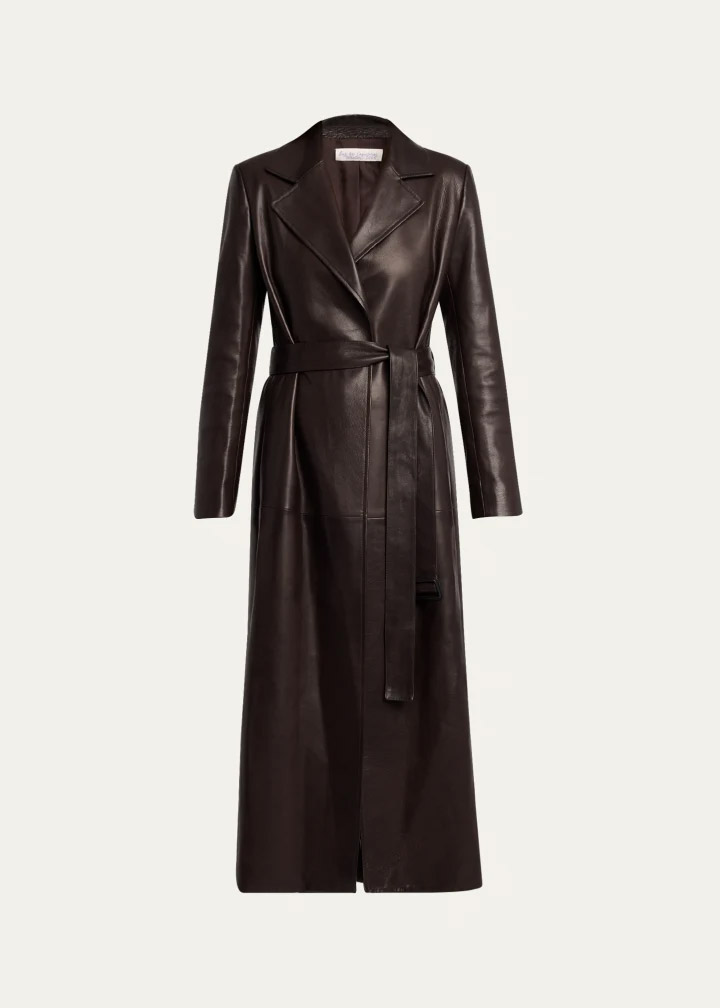
The Row Raisa Leather Coat, 2026; Source: Bergdorf Goodman[26]
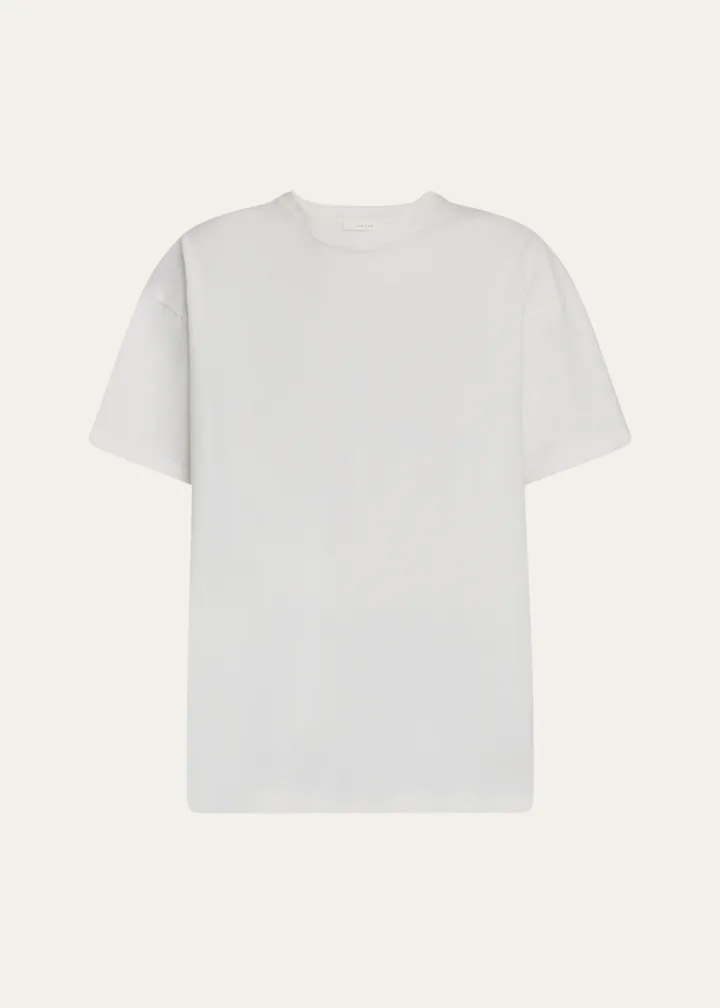
The Row Lavinia Oversized T-Shirt, 2026; Source: Bergdorf Goodman[27]
It’s important to consider the fashion backdrop of the time when The Row was launched: in 2006, fast fashion had become “the new norm”[28] and logomania had reached its peak. Very few brands were serving the customer who wanted investment pieces built—and designed—to last decades. As noted by Vogue, “If early-2000s fashion had a square inch to spare, it was filled with an alphabet city of letters.”[29]
Like Rihanna above, Mary-Kate and Ashley Olsen identified an underserved market.
The Row was founded on a simple premise: the search for the perfect white t-shirt.[30] Not logo-covered, not trend-driven—just quality fabric, flawless construction, and timeless silhouettes that would perfectly fit multiple body types and ages.
Another key to the brand’s success: the Olsens rejected trends entirely. The Row’s aesthetic is deliberately timeless. While collections acknowledge seasonal movements in silhouette or proportion, nothing is blatantly trendy enough to look dated after two seasons. The $5,200 coat below can be worn for 25+ years: this makes it—over a 25 year lifespan—$208 per year. Compare that to buying one $200-$250 coat annually that lasts one or two seasons.
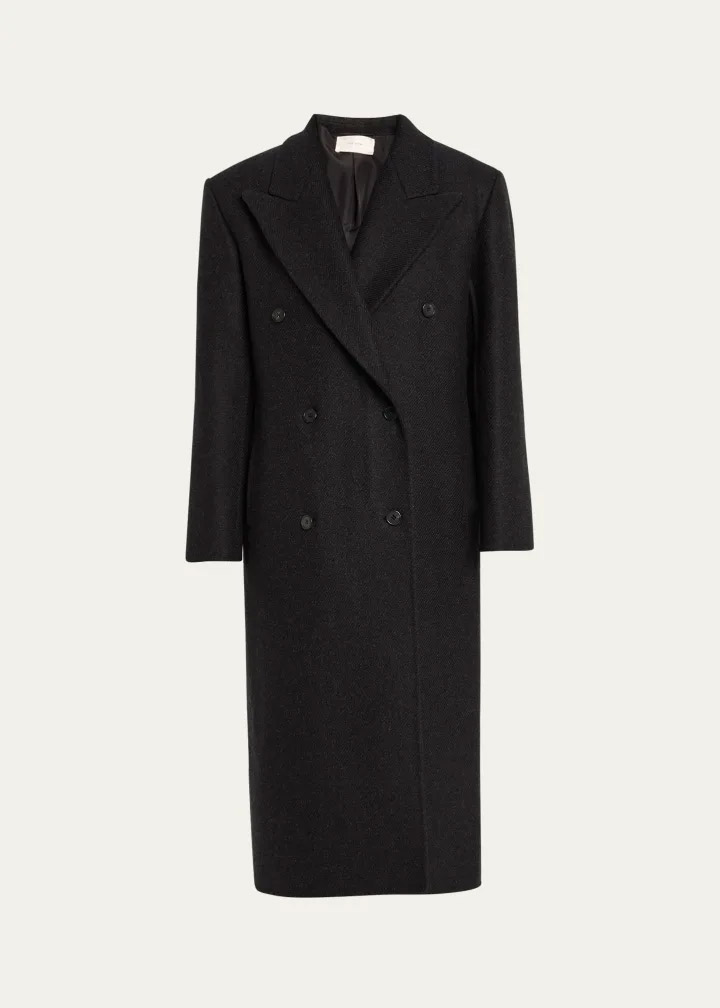
The Row Hariet Wool-Cashmere Coat, 2026; Source: Bergdorf Goodman[31]
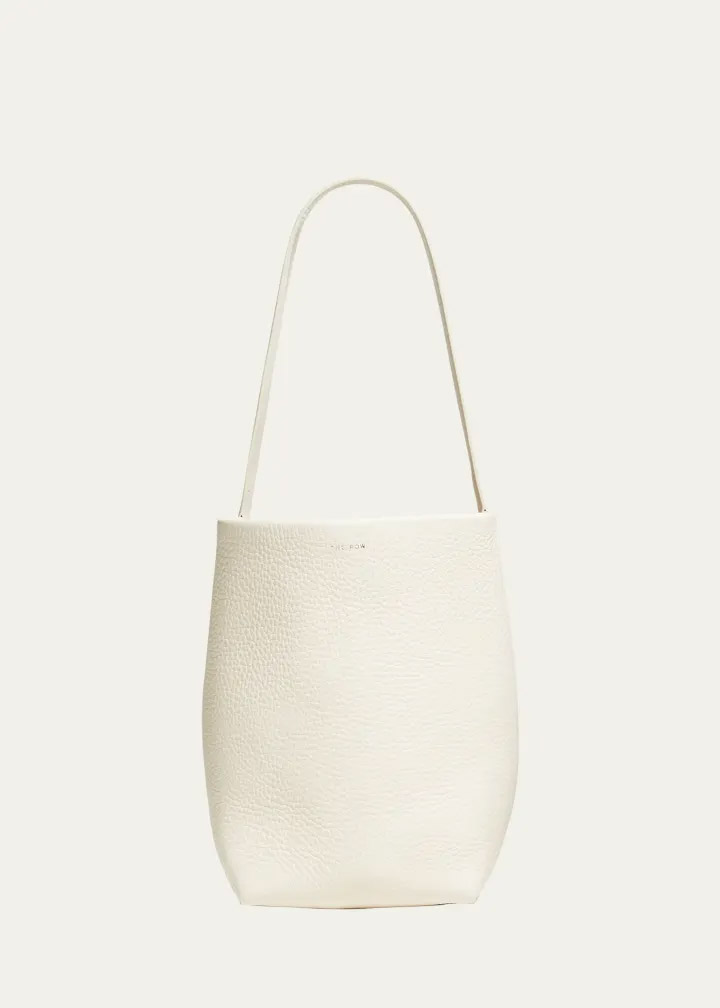
The Row Park Tote in Lux Grained Calfskin, 2026; Source: Bergdorf Goodman[32]
Their success didn’t go unnoticed: in 2012, they won the CFDA Womenswear Designer of the Year award.[33]
The Row hadn’t launched with any fanfare, and the Olsens famously avoid press and rarely give interviews. This anti-celebrity approach to celebrity design—along with products for “women who live in elevated basics”—worked.[34]
Unlike Victoria Beckham’s brand—which has struggled with profitability despite critical respect—The Row is commercially successful and has attracted investment from the Wertheimer family (who own Chanel) and Françoise Bettencourt Meyers (heiress of L’Oréal), with the brand valued at approximately $1 billion as of 2024.[35] Yasmine Loh notes that this “[marks] a time where quiet luxury triumphs over traditional displays of wealth,” creating a new era for fashion “where consumer tastes become more refined and options grow more exclusive.”[36]
But here’s the crucial distinction: The Row succeeded because the Olsens treated fashion as a career, not a side project. They didn’t accept a creative director title at an existing brand with established heritage to maintain. They built from zero, learned the discipline, earned their credibility through twenty years of work, and proved their designs could stand without their celebrity attached.
“Quiet luxury triumphs over traditional displays of wealth… consumer tastes become more refined and options grow more exclusive.”
—Yasmine Loh, Luxuo[36]
Compare this to Lindsay Lohan, who was handed a title at Ungaro with no training and expected to perform immediately. Or Jaden Smith, appointed creative director at Louboutin with zero design education. The Olsens’ path required patience, humility, and respect for the craft—qualities notably absent in most celebrity creative director appointments.
The Row proves celebrities as creative directors can succeed… though it often means renouncing their celebrity status.
- - - Advertisement - - -
Celebrities as Creative Directors: The… Elephant in the Room?
Some celebrities as creative directors occupy a more complicated space—not outright disasters like Lohan or O’Shea, but problematic in ways the industry hesitates to express or call out.
There’s definitely a pattern: these hires are close enough to seem plausible, but different enough to raise questions. However these appointees are too powerful, too connected, or too commercially important to receive honest critique.
Some celebrities as creative directors occupy a more complicated space—not outright disasters like Lohan or O’Shea, but problematic in ways the industry hesitates to express or call out.
Instead, criticism becomes full of coded language because openly questioning these appointments could mean losing access to shows, interviews, or advertising revenue. Read any review of a protected appointment and you’ll find the doubt hidden between the lines. Here are some examples.
Pharrell Williams – Louis Vuitton Menswear (2023-Present)
When Virgil Abloh died in 2021, the fashion industry expected Martine Rose—a critically acclaimed designer with a distinct menswear vision—to inherit Louis Vuitton‘s men’s creative director position.[37] Instead, LVMH appointed Pharrell Williams.
![Martine Rose Spring 2025 Menswear [Milan] Creative Direction: Martine Rose](https://www.thefashionfold.com/wp-content/uploads/2026/02/0049877-MARTINE-ROSE-SPRING-2025-NOWFASHION-01.jpg)
Martine Rose Spring 2025 Menswear [Milan] Creative Direction: Martine Rose; Photo: NOWFASHION.com
![Martine Rose Spring 2025 Menswear [Milan] Creative Direction: Martine Rose](https://www.thefashionfold.com/wp-content/uploads/2026/02/0049877-MARTINE-ROSE-SPRING-2025-NOWFASHION-02.jpg)
Martine Rose Spring 2025 Menswear [Milan] Creative Direction: Martine Rose; Photo: NOWFASHION.com
Pharrell does have a fashion background, though not in luxury fashion. He co-founded Billionaire Boys Club with Nigo in 2003, a streetwear brand that saw its revenue more than double when Iconix purchased a 50% stake and shifted production from Japan to China and Pakistan.[38]
He’s collaborated with Louis Vuitton before—on sunglasses with Marc Jacobs for Spring 2005[39] and on the Blason jewellery collection with Camille Miceli for Louis Vuitton in 2008.[40] He’s worked with Moncler,[41] served as Chanel brand ambassador (2014),[42] created a menswear capsule with Chanel before Karl Lagerfeld’s death (2019)[39], and partnered with adidas on sneakers.[38]
![Louis Vuitton Fall 2019 Menswear [Paris] Creative Direction: Virgil Abloh](https://www.thefashionfold.com/wp-content/uploads/2026/02/0049877-LOUIS-VUITTON-FALL-2019-MENSWEAR-NOWFASHION-01.jpg)
Louis Vuitton Fall 2019 Menswear [Paris] Creative Direction: Virgil Abloh; Photo: NOWFASHION.com
![Louis Vuitton Fall 2019 Menswear [Paris] Creative Direction: Virgil Abloh](https://www.thefashionfold.com/wp-content/uploads/2026/02/0049877-LOUIS-VUITTON-FALL-2019-MENSWEAR-NOWFASHION-02.jpg)
Louis Vuitton Fall 2019 Menswear [Paris] Creative Direction: Virgil Abloh; Photo: NOWFASHION.com
But streetwear collaborations and brand ambassadorships aren’t the same as leading creative direction at a French luxury house.
Fashion criticism of Pharrell’s Louis Vuitton work exists—but it’s carefully worded. For his debut collection, Luke Leitch of Vogue Runway noted, “The four LV trunks wheeled down the runway tonight strongly suggest he’s still en route to somewhere…”[43]
About his most recent collection—Fall 2026 Menswear—Leitch observed, “In parts this collection recalled some of Thom Browne’s Gamme Bleu offerings for Moncler a decade ago.”[44]—politely calling the collection derivative.
![Louis Vuitton Fall 2026 Menswear [Paris] Creative Direction: Pharrell Williams](https://www.thefashionfold.com/wp-content/uploads/2026/02/0049877-LOUIS-VUITTON-FALL-2026-MENSWEAR-01.jpg)
Louis Vuitton Fall 2026 Menswear [Paris] Creative Direction: Pharrell Williams; Photo: NOWFASHION.com
![Louis Vuitton Fall 2026 Menswear [Paris] Creative Direction: Pharrell Williams](https://www.thefashionfold.com/wp-content/uploads/2026/02/0049877-LOUIS-VUITTON-FALL-2026-MENSWEAR-02.jpg)
Louis Vuitton Fall 2026 Menswear [Paris] Creative Direction: Pharrell Williams; Photo: NOWFASHION.com
Compare this to Harper’s Bazaar Australia‘s effusive praise for the Spring 2025 Menswear collection, which featured references from cowboy-core, the TikTok-driven mob-wife aesthetic, and blokecore: “None of these nods feel contrived, however, or as though they’re simply there to pander to contemporary consumers. It’s a refreshing example of how to maintain relevance and heritage simultaneously.”[45]
![Louis Vuitton Spring 2025 Menswear [Paris] Creative Direction: Pharrell Williams](https://www.thefashionfold.com/wp-content/uploads/2026/02/0049877-LOUIS-VUITTON-SPRING-2025-MENSWEAR-NOWFASHION-01.jpg)
Louis Vuitton Spring 2025 Menswear [Paris] Creative Direction: Pharrell Williams; Photo: NOWFASHION.com
![Louis Vuitton Spring 2025 Menswear [Paris] Creative Direction: Pharrell Williams](https://www.thefashionfold.com/wp-content/uploads/2026/02/0049877-LOUIS-VUITTON-SPRING-2025-MENSWEAR-NOWFASHION-02.jpg)
Louis Vuitton Spring 2025 Menswear [Paris] Creative Direction: Pharrell Williams; Photo: NOWFASHION.com
What did Leitch have to say about the same Spring 2025 collection? He called it a “blockbuster of a Louis Vuitton menswear show that encoded the house’s complex kaleidoscope of design output within a wider narrative that required no code at all to decrypt.”[46]
The tonal disparity is striking.
Fashion journalist Amy Odell, speaking with Style Zeitgeist, contextualized the appointment: “Celebrity has infiltrated every business sector that involves entertainment or selling consumer products,” adding that “one of the problems is the broken media industry that is so driven by clicks.”[47] Eugene Rabkin offered a more pointed assessment: “[Pharrell’s] mandate is to make luxury streetwear for men, which he knows how to do, and which is not nearly as hard as designing a proper women’s fashion line.”[48]
“[Pharrell’s] mandate is to make luxury streetwear for men, which he knows how to do, and which is not nearly as hard as designing a proper women’s fashion line.”
—Eugene Rabkin, Style Zeitgeist[48]
Rabkin’s observation raises an uncomfortable question: has Louis Vuitton menswear become an afterthought? A testing ground where commercial safety matters more than creative vision? When a house maintains radically different standards between its women’s and men’s lines—complex, trend-setting designs versus accessible luxury streetwear—what does that say about where the creative ambition actually lies?
The proof is, of course, in the commercial performance: LVMH’s Fashion & Leather Goods division reported revenue of €42.2 billion ($50.3 billion) in 2023, declining to €41.1 billion ($49 billion) in 2024.[49] Pharrell’s appointment coincided with this decline. Correlation isn’t causation, but the numbers suggest celebrity creative directors aren’t reversing the trend, especially as the same division saw revenue diminish further in 2025, down to €37.8 billion ($45 billion).[49]
Speaking to investors last month after LVMH shares dropped 7.9%, CEO Bernard Arnault noted the impact of geo-political events for the decline in 2025 vs 2024.[50]
The proof is, of course in the commercial performance: LVMH’s Fashion & Leather Goods division reported revenue of €42.2 billion ($50.3 billion) in 2023, declining to €41.1 billion ($49 billion) in 2024. …the same division saw revenue diminish further for 2025, down to €37.8 billion ($45 billion).[49]
Unlike other conglomerates such as Kering—which post results by brand—LVMH reports only by division (Fashion & Leather Goods, Wines & Spirits, Perfumes & Cosmetics, etc.), thus making it almost impossible to get a clear idea of each brand’s performance.
Notably though, in the financial documents published by LVMH on December 31st, 2025, positive comments are made about certain brands, including “Loro Piana turned in a remarkable performance,” and “Givenchy held its first runway shows of collections designed by Sarah Burton, which were warmly welcomed by the press and customers alike…” with no similar praise being bestowed upon Louis Vuitton; the press release instead noting the “exceptional craftsmanship and unique in-store experiences” of the brand.[51]
All of this raises the crucial question: would we even know if Pharrell’s appointment was failing?
There’s a pattern worth noting: Victoria Beckham’s fashion brand struggled for years before finally becoming profitable—not through clothing sales, but by launching a beauty line. The fashion collections, despite garnering critical respect and industry awards, never delivered commercial returns—even with the “high levels of sell through” noted by the BFC in 2011.[23]
Beauty saved the business.
Victoria Beckham’s fashion brand struggled for years before finally becoming profitable—not through clothing sales, but by launching a beauty line.[24]
In August 2025, Louis Vuitton launched a makeup line.[52] This was two years into Pharrell’s tenure. The company did not mention whether menswear collections were meeting commercial expectations.
When luxury brands facing declining apparel profits launch beauty lines, it prompts questions: is this expansion from strength, or diversification away from weakness? Is it confident growth, or a hedge against underperforming core categories?
We likely won’t get a direct answer.
In August 2025, Louis Vuitton launched a makeup line.[52] This was two years into Pharrell’s tenure. The company did not mention whether menswear collections were meeting commercial expectations.
Nigo – Kenzo (2021-Present)
In 2021, LVMH appointed Nigo as artistic director of Kenzo. Nigo was Pharrell’s Billionaire Boys Club (and Ice Cream) co-founder and the founder of BAPE (A Bathing Ape)—considered the forerunner of streetwear, though Nigo left in 2013 with “the brand in dire financial straits.”[53] He was also a celebrity in the music world thanks to his work as producer, DJ, and countless collaborations.[54] Unlike Lohan or Jaden Smith, Nigo brought over 30 years of fashion industry experience. But like Pharrell at Louis Vuitton, his expertise was in streetwear. And though “BAPE’s cultural cachet had originally been built on an ideal of exclusivity,”[53] by the time Nigo left in 2013, the brand was suffering from over-expansion, and the “logo-heavy apparel [losing] much of its sheen.”[53]
Kenzo was founded in 1970 by Kenzo Takada, beginning as a Parisian boutique named “Jungle Jap”,[55] introducing the same culture clash to the city that Nigo’s America-meets-Japan streetwear would do a little over two decades later.[56] However where Louis Vuitton menswear had already been moving toward a streetwear influence under Virgil Abloh,[57] Kenzo represented a different design language entirely—one Nigo would need to learn, not simply transpose his existing aesthetic onto.
![Kenzo Fall 2020 [Paris] Creative Direction: Felipe Oliveira Baptista](https://www.thefashionfold.com/wp-content/uploads/2026/02/0049877-KENZO-FALL-2020-NOWFASHION-01.jpg)
Kenzo Fall 2020 [Paris] Creative Direction: Felipe Oliveira Baptista; Photo: NOWFASHION.com
![Kenzo Fall 2020 [Paris] Creative Direction: Felipe Oliveira Baptista](https://www.thefashionfold.com/wp-content/uploads/2026/02/0049877-KENZO-FALL-2020-NOWFASHION-02.jpg)
Kenzo Fall 2020 [Paris] Creative Direction: Felipe Oliveira Baptista; Photo: NOWFASHION.com
Initial reviews were positive. Luke Leitch, reviewing the Spring 2023 collection for Vogue Runway, praised Nigo for honouring founder Kenzo Takada’s vision and noted, “word is that the sales are already reflecting the new wind Nigo has brought to Kenzo.”[58]
That success doesn’t seem to have continued though. LVMH made a telling move: in January 2025, the conglomerate brought in Joshua A. Bullen from Givenchy as head of design to work closely with Nigo.[59]
![Kenzo Spring 2026 Menswear [Paris] Creative Direction: Nigo](https://www.thefashionfold.com/wp-content/uploads/2026/02/0049877-KENZO-SPRING-2026-MENSWEAR-01.jpg)
Kenzo Spring 2026 Menswear [Paris] Creative Direction: Nigo; Photo: NOWFASHION.com
![Kenzo Spring 2026 Menswear [Paris] Creative Direction: Nigo](https://www.thefashionfold.com/wp-content/uploads/2026/02/0049877-KENZO-SPRING-2026-MENSWEAR-02.jpg)
Kenzo Spring 2026 Menswear [Paris] Creative Direction: Nigo; Photo: NOWFASHION.com
The problem appears to be womenswear specifically. Fashion Network reported that “with womenswear, Nigo has never really managed to find his groove.”[59] Kenzo announced it would show womenswear separately at Paris Fashion Week in March 2025, while menswear would show alone in January—abandoning the co-ed format the brand had been using. A press release, quoted in the article by Fashion Network stated, “As Kenzo’s men’s wardrobe is now firmly established… the house now wants to give Kenzo’s womenswear a bold new direction.”[59]
Translation: Nigo succeeded with menswear (his area of expertise) but struggled with womenswear (outside his experience). The solution? Bring in someone with actual design training.
Interestingly, Bullen’s background is primarily in menswear—he was head of design for Givenchy men’s collections and worked at menswear labels Christopher Shannon and Dunhill after graduating from Central Saint Martins. Yet he’s been tasked with leading Kenzo’s womenswear “bold new direction.” Apparently, formal design education and experience working within structured fashion houses—even in menswear—translates better to womenswear design than 30 years of streetwear experience does.
What is most interesting of all is that for the first solo womenswear show under Nigo and Joshua A. Bullen, Nigo was not present due to a “scheduling conflict,”[60] leaving Bullen to present the clothes alone. A creative director missing their own brand’s biggest womenswear moment in years due to a scheduling conflict raises obvious questions.
What is most interesting of all is that for the first solo womenswear show under Nigo—and Joshua A. Bullen—Nigo was not present due to a “scheduling conflict,”[60] leaving Bullen to present the clothes alone.
The collection itself told its own story. In backstage interviews, according to Vogue Runway, Bullen clarified the design split: the New Era collaboration caps and “Jacob the Jeweller”-style belts were Nigo’s contributions.[60]
PARIS, FRANCE – MARCH 07: A model walks the runway during the Kenzo Womenswear Fall/Winter 2025-2026 show on March 07, 2025. (Photo by Kristy Sparow/Getty Images)
PARIS, FRANCE – MARCH 07: A model walks the runway during the Kenzo Womenswear Fall/Winter 2025-2026 show on March 07, 2025. (Photo by Kristy Sparow/Getty Images)
The resulting collection can only be called visually chaotic: tailored pieces and wearable separates interspersed with streetwear excess. A jacket constructed from stuffed rabbits, clearly a reference to Jean-Charles de Castelbajac’s 1988 teddy bear creation. Fur jackets with rabbit ears. The Vogue Runway review called it a “wild mix”.[60]
PARIS, FRANCE – MARCH 07: A model walks the runway during the Kenzo Womenswear Fall/Winter 2025-2026 show on March 07, 2025. (Photo by Kristy Sparow/Getty Images)
PARIS, FRANCE – MARCH 07: A model walks the runway during the Kenzo Womenswear Fall/Winter 2025-2026 show on March 07, 2025. (Photo by Kristy Sparow/Getty Images)
The aesthetic whiplash told a story of two designers working in entirely different languages, their work stitched together on the same runway.
PARIS, FRANCE – MARCH 07: A model walks the runway during the Kenzo Womenswear Fall/Winter 2025-2026 show on March 07, 2025. (Photo by Kristy Sparow/Getty Images)
PARIS, FRANCE – MARCH 07: A model walks the runway during the Kenzo Womenswear Fall/Winter 2025-2026 show on March 07, 2025. (Photo by Kristy Sparow/Getty Images)
And again, to the broader context: LVMH’s Fashion & Leather Goods division—which includes Louis Vuitton, Dior, Fendi, Givenchy, Celine, Loewe, and Kenzo—has seen its profit decline from €16.8 billion ($20 billion) in 2023 to €15.2 billion ($18.1 billion) in 2024 to €13.2 billion ($15.7 billion) in 2025.[54]
LVMH’s Fashion & Leather Goods division—which includes Louis Vuitton, Dior, Fendi, Givenchy, Celine, Loewe, and Kenzo—has seen its profit decline from €16.8 billion ($20 billion) in 2023 to €15.2 billion ($18.1 billion) in 2024 to €13.2 billion ($15.7 billion) in 2025.[54]
Pharrell was appointed during this decline; Nigo two years before. Both brought streetwear credentials to heritage houses. Both have generated mainly positive press coverage and maintained their positions. But the numbers suggest celebrities as creative directors aren’t reversing LVMH’s Fashion & Leather Goods struggles—and in Nigo’s case, the conglomerate felt compelled to bring in a trained designer to compensate for gaps in his expertise.
This shows that even legitimate fashion industry experience doesn’t automatically transfer across disciplines. Nigo’s 30 years in streetwear didn’t prepare him for Kenzo womenswear—just as a buying director’s expertise wouldn’t prepare them for creative direction, or a footwear influencer’s product knowledge wouldn’t qualify them to design original shoes.
But there’s a difference here: when Nigo struggled, LVMH quietly brought in support. Would they do the same for Pharrell? And would we even know if they did?
- - - Advertisement - - -
Countless other celebrities as creative directors
There have been many other celebrities as creative directors which will just make you scratch your head and wonder “Why?” These don’t get nearly enough attention—many fail and get quietly swept under the rug. Here is a non-exhaustive list, in no particular order:
- Sarah Jessica Parker (2010-2011): Serving as both president and chief creative officer of Halston Heritage, she compared the appointment to a bad relationship with a man she thought she could fix but ultimately was unable to.[61]
- Beyoncé (2019-2023): Ivy Park (the brand Beyoncé founded in 2016) partnered with adidas beginning in 2019. Although launched with seemingly great plans, Beyoncé herself didn’t promote the collaboration much, with fans apparently not willing to wear a brand they couldn’t imagine Beyoncé herself wearing.[62] Whether due to creative differences or underwhelming commercial performance, the partnership ended in 2023, believed to be an early termination as it has been noted that the “contract with adidas was set to expire after 2023.”[63]
- Kendall Jenner (2021-Present): As the Creative Director of FWRD, Kendall Jenner curates “her own edit of designers and trends for customers to shop.”[64] As of February 2026, she still holds the position.
- Kourtney Kardashian (2022-2023): Kardashian was appointed the sustainability ambassador of fast-fashion website Boohoo and tasked with creating two capsule collections—their sustainability arising from their use of recycled fibres.[65] The concerns about greenwashing were immediate and inescapable.
- Molly-Mae Hague (2021-2023): Assigned the role of creative director at PrettyLittleThing—another fast-fashion brand like Boohoo—Hague had risen to fame as an influencer after her stint on TV show Love Island. Anna Solomon put it bluntly in her article for Luxury London in 2023, noting that Hague had been given this important role “at the ripe age of 22, largely by virtue of appearing on a reality dating show for six weeks.”[6] Hague stepped down from her role as creative director to focus on raising her daughter, instead becoming a brand ambassador for the company.[66]
- The D’Amelio Sisters (2021-2024): The D’Amelio sisters rose to fame on TikTok, so much so that Hollister created the clothing brand Social Tourist with them, trying to reach a new, younger audience.[67] The pair then went on to form D’Amelio Brands as a holding company for their deals, brands, etc.[67] The sisters ultimately fell out of favour and lost countless followers after backlash from a family dinner with a private chef that was broadcast to followers.[68] The Social Tourist Instagram account is now private[69] (as of February 2026), and the link in its bio takes you to the Hollister website via a page that is a list of images. A Reddit post has a screenshot of the—now hidden or deleted—announcement from the D’Amelio sisters on the Social Tourist Instagram account 2 years ago.[70]
- Addison Rae (2020-2022): Another TikTok influencer, Addison Rae created the clean, vegan beauty brand Item Beauty in 2020.[71] However Sephora stopped carrying the brand in 2023,[72] this coming even after Addison had signed an exclusive partnership with Sephora in 2021.[73] However Addison didn’t seem to spend much time promoting the brand, leading to a drop in sales. Like Social Tourist, the Item Beauty Instagram page is now private.[74]
- SZA (2025): as Artistic Director of Vans, SZA has been tasked with “[reimagining] upcoming campaigns and [co-creating] exclusive product collections that fuse her unique vision with the brand’s creative and youthful spirit.”[75]
Hague had been given this important role “at the ripe age of 22, largely by virtue of appearing on a reality dating show for six weeks.”
—Anna Solomon, Luxury London[6]
Of course, there is certainly one answer to the “Why?”
“Search interest in FWRD skyrocketed on Google Trends the day the news of the Jenner partnership went live.”[6] And at the end of the day, isn’t it the financial results that matter to a business? Much as we would like to think that fashion houses are all about artistry and creativity, they are ultimately businesses with a need to make a profit.
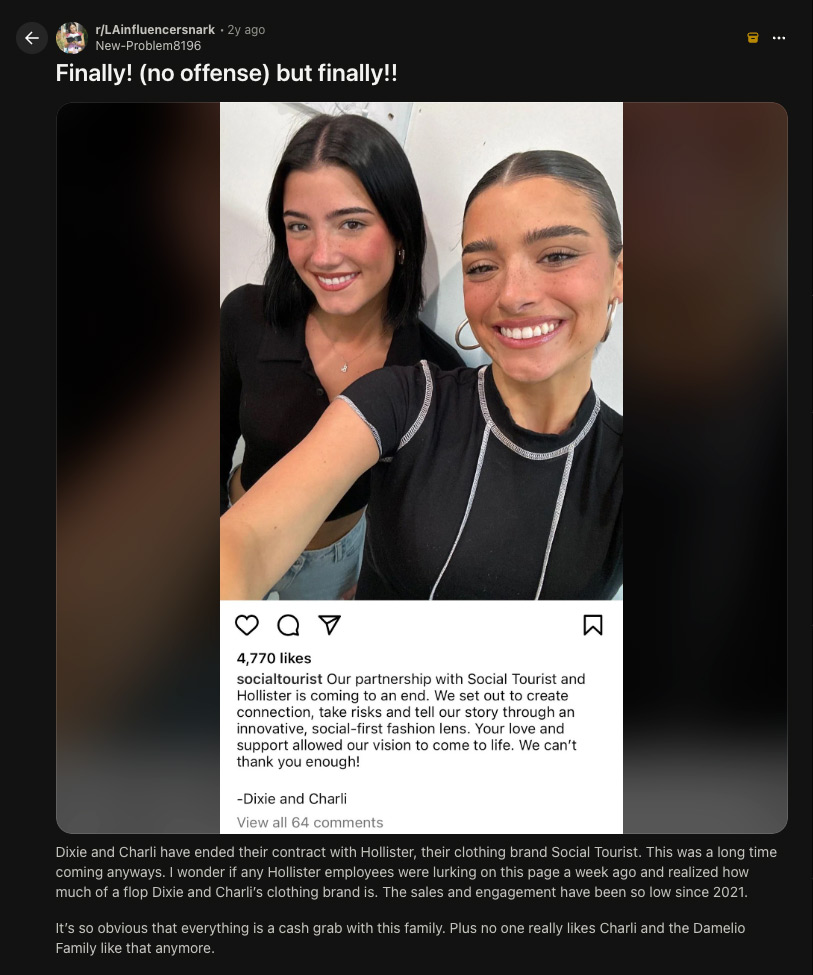
The D’Amelio sisters announce the end of their partnership with Social Tourist – Screenshot from a Reddit Post[70]
Why This Keeps Happening (And Why It’s a Problem)
As already noted, Jaden Smith isn’t the first celebrity to be hired as creative director with no formal fashion training, and he definitely won’t be the last. Here is why brands keep making the same mistake:
- Instant press coverage
- The celebrity has an existing fanbase and social media reach
- For “cultural relevance” (really just a buzzword for a desire to capture younger customers)
- Publicity value
- Headline-generating appointments
These all seem like pretty good reasons when it comes to the commercial factor, and raising revenue, but what about all the problems with hiring celebrities as creative directors? Creative director is a technical discipline, one that requires working one’s way up to, and needs skills including:
- Pattern making and draping: understanding how different fabrics work on the body
- Textile science: knowing fibre content, weight, drape, durability
- Construction techniques: seams, finishing, tailoring, structure, stitches
- Technical drawing: communicating designs to pattern makers (there have of course been famous designers who did not do technical drawing, but these are very much the exception rather than the rule)
- Production knowledge: sourcing, timelines, costing, factory capability
- Understanding the brand DNA: a creative director cannot erase the heritage of a brand but still needs to push it forward with new ideas
- Team leadership: managing designers who will often have decades more experience than the celebrity creative director
- Many others: trend forecasting, merchandising, market analysis
These are not skills that can be learned from mood boards, and they certainly can’t be learned on the go when in the role of creative director, because it is far too late at that point to not know such things. Somebody entering a fashion brand with none of this technical knowledge would be an intern, not the creative director.
Somebody entering a fashion brand with none of this technical knowledge would be an intern, not the creative director.
You Wouldn’t Hire Celebrities as CFOs or Marketing Managers – So Why Celebrities as Creative Directors?
Here’s a question:
Would Christian Louboutin hire Jaden Smith as the CFO? Would Louis Vuitton hire Pharrell as Head of Merchandising? Would Emanuel Ungaro hire Lindsay Lohan as Marketing Manager?
Of course not.
And the “no” here is twofold. First, these positions require very specific education; and second, they would be very confusing and not generate the same hype as the aforementioned celebrities being hired as creative directors where their input is actually visible and tangible and the consumer can actually buy into it.
But I believe the real problem here is the first: CFO, Head of Merchandising, Marketing Manager – these all require specific education and also years of experience working one’s way up through a company, and nobody would argue otherwise. But then doesn’t the role of Creative Director also have these requirements? Aren’t we cheapening the title of ‘Creative Director’?
Why does this role get a pass when it comes to these celebrity hires? Are we treating a brand’s product as a type of celebrity merch?
Are we treating a brand’s product as a type of celebrity merch?
Fashion design education is rigorous and selective. Even just getting accepted is a task in itself: only 6% of applicants to Central Saint Martins are successful.[76]
Throughout their education, they face brutally honest tutors and industry professionals who don’t hold back in critique. No “yes-men” here. If work isn’t up to standard, they’re told directly. If technique is weak, they redo it. If concepts lack depth, they start over.
This is the reality of becoming a fashion designer: competitive admission, an investment of tens of thousands of pounds (tuition plus living expenses in an expensive city), years of rigorous training, constant accountability, and many sleepless nights.
Celebrity creative directors skip all of this. They’re hired for name recognition alone, and often produce collections that look exactly like what you’d expect from somebody with zero training.
After years of proving themselves, design graduates enter the industry into:
- Unpaid internships
- Junior designer roles at low pay
- Years building experience before potentially reaching Creative Director level
What stings even more is the oversaturation: there are far more fashion design graduates than there are fashion design jobs, making it an extremely competitive field. When someone with no formal training is given a design position, it’s a slap in the face to those who’ve earned their place.
As added context, current junior-level fashion design job listings on LinkedIn and Indeed based in London (as of February 5th 2026) show salaries ranging from £26,000-£35,000. The official livable wage in London is £28,860,[77] though anyone who’s actually lived there knows that £28,000 doesn’t come close to covering expenses.
- - - Advertisement - - -
The Real Cost: What Design Students Lose
Every celebrity hired as a creative director is a trained designer who didn’t get that job. Somewhere, there’s a Central Saint Martins (or Parsons, or FIT, etc.) graduate with years of experience, an amazing portfolio, and genuine technical skill who didn’t get the job at [x] brand because [y] person is famous.
There’s a designer who studied for five years, worked their way up through multiple fashion houses, understands construction and production, who didn’t get considered for Halston Heritage, for Vans, for Kenzo, for…
This isn’t just unfair. It’s insulting.
The message it sends to fashion students is that their education doesn’t matter. Their technical skill doesn’t matter. Their years of—likely unpaid—internships and financial sacrifice do not matter. Instead, what matters is fame, social media followers, and connections. The actual ability to design clothes is optional.
The fashion industry demands that designers go through years of school, internships, and assistant roles, only to then hand the top job to people who skipped all of that because they’re famous.
How is that anything other than absurd?
The fashion industry demands that designers go through years of school, internships, and assistant roles, only to then hand the top job to people who skipped all of that because they’re famous.
What Needs To Change
Brands: Hire celebrities as “Brand Ambassadors” or “Creative Consultants” instead
There is, of course, still room for celebrity involvement, but it should be done appropriately:
- Guest collaborations – one capsule collection with design team support
- Brand ambassador – marketing, campaigns, not actual design decisions
- Creative consultant – input and vision, not technical execution
They should no longer be given the title and responsibility that trained designers spend careers earning.
Industry: Stop treating design as less important than other roles
You wouldn’t hire someone with no financial experience as CFO. You wouldn’t hire someone with no tech background as CTO. So why does fashion operate differently?
To understand how specialised this role is—especially when considering Pharrell and Nigo’s transition from streetwear—consider this: a Head of Marketing for an FMCG (Fast Moving Consumer Goods) brand cannot be expected to transition directly into luxury fashion marketing. The audiences, price points, distribution strategies, and brand positioning are fundamentally different. Similarly, a Head of Merchandising for a brand producing two small ready-to-wear collections per year couldn’t just take up the same role at a multi-brand e-commerce retailer and be expected to succeed—the inventory management, buying cycles, and operational demands are completely different.
These roles seem similar on the surface, but they require distinct expertise. The same applies to streetwear versus luxury fashion: streetwear is “informal and trendy,”[78] defined as “fashionable, casual clothing worn by followers of popular culture.”[79] Luxury fashion, by contrast, centres on “heritage and legacy,”[80] “[encompassing] not only the final product, but also the entire shopping experience and brand image.”[81] Crucially, luxury “needs to maintain a high level of exclusivity and scarcity,”[82] with Retail Dogma noting: “It’s not the rich that fuel the luxury sector, it is actually people who aspire to belong to this segment.”[82] So while streetwear makes itself accessible, luxury fashion makes itself exclusive.
Have luxury brands like Louis Vuitton and Kenzo acted against their own best interests by hiring designers with expertise in streetwear? Did Emanuel Ungaro gain its desired press mileage for all the wrong reasons by hiring a celebrity who was tabloid-famous? And what about Halston Heritage with Sarah Jessica Parker—a fashion icon on TV thanks to Sex and the City—who was actually styled by costume designer Patricia Field?[83]
Media: Stop celebrating these appointments uncritically
As previously mentioned, many media outlets are reluctant to criticise celebrities as creative directors—likely due to industry ties, and the need to maintain positive relationships with brands and their parent companies. But it’s time to see such appointments for what they are: brands prioritising media coverage over design expertise.
Consumers: Vote with your wallets
- Don’t buy collections designed by people with no fashion training
- Support brands that hire actual designers
- Demand craftsmanship over celebrity
- Question why a luxury brand needs a celebrity name to sell clothes
Celebrities as Creative Directors: The Bottom Line
The real problem here isn’t Jaden Smith: it’s a fashion industry that refuses to learn from years of repeating the same mistake.
Creative Director is not:
- An entry-level position
- A publicity stunt
- A role you give someone because they’re famous
It’s a technical, creative, business-critical position that requires years of training and experience. And until the fashion industry—including the media, and consumers—start treating it that way, we’re going to keep getting collections that look like first-year student work.
Because sometimes, that’s exactly what they are.
- - - Advertisement - - -
References
[1] I Went to the Art School [@iwenttotheartschool]. (2026, January 25). “Is Jaden Smith a ‘Dadaist’ or just a celebrity with a massive marketing budget? This Louboutin debut is the perfect…” [Video]. Instagram. [Link]
[2] Samson, S. (2026, January 27). “Nepotism can buy a title, but it can’t buy talent.” Lifestyle Inquirer. [Link]
[3] Foussianes, C. (2020, May 25.) “The Ascension of Mary-Kate and Ashley Olsen: How the Twins Went from Full House to Fashion Royalty.” Town&Country. [Link]
[4] Hypebeast [@hypebeast]. (2026, January 24). “Our team is on the ground in Paris Fashion Week, and we just got a look at @c.syresmith’s new FW26…” [Photo]. Instagram. [Link]
[5] Xiao Jing [@xiao.jing.f]. (2020, November 14). “Vivienne Westwood X ASICS technical mesh runner.” [Photo]. Instagram. [Link]
[6] Solomon, A. (2023, February 1). “The rise of the celebrity creative director: Why are stars getting the top spot?” Luxury London. [Link]
[7] Odell, A. (2009, October 5). “Lindsay Lohan’s Ungaro Debut Deemed Disastrous” The Cut. [Link]
[8] Horyn, C. (2010, August 20). “The Fall of the House of Ungaro.” The New York Times [Link]
[9] Leitch, L. (2016, July 3). “‘It Should Be Pimp! It Should Be Awesome!’—Justin O’Shea Reveals His Strategy for Giving Tailoring, and Brioni, a Boost.” Vogue. [Link]
[10] Boring Not Com [@boringnotcom]. (2026, January 24). “CHRISTIAN LOUBOUTIN,” [Photo]. Instagram. [Link]
[11] Footwear News [@footwearnews]. (2026, January 24). “Jaden Smith’s debut collection as men’s creative director of @ChristianLouboutin is black, white and red all over. It’s also focused…” [Photo]. Instagram. [Link]
[12]* Givenchy. (2026). “Women’s Shark Ankle Boots.” [Product Page]. Bloomingdale’s. [Link] (accessed February 7, 2026)
[13]* Bogner. (2026). “Les Arcs shearling snow boots”. [Product Page]. myTheresa. [Link] (accessed February 7, 2026)
[14]* Timberland Pro. (2026). “Direct Attach 6″ Soft Toe Insulated Waterproof.” [Product Page]. Zappos. [Link] (accessed February 7, 2026)
[15] Stoppard, L. (2018 October 31). “How Rihanna’s Savage x Fenty Is Changing The Lingerie Game.” British Vogue. [Link]
[16] Hayes, C. (2025, November 17). Rihanna Becomes The First Black Woman With 2 Billion-Dollar Companies Under Her Belt, Fenty Beauty And Savage X Fenty.” Yahoo Finance. [Link]
[17] Lyndal. (2024, April 2). “Case Study: Fenty Beauty.” Medium. [Link]
[18] Coveteur. (no date). “We Are In The Middle Of A Bandage Dress Resurgence.” Coveteur. [Link]
[19] Robinson, R. (2021, February 11). “Why Rihanna’s Fenty Clothing Line Has Been Put To An End.” Forbes. [Link]
[20] Onyewuchi, C. (2025, October 22). “Rihanna’s $36 Million Fashion Gamble Ends In Stunning Failure.” Yahoo Finance. [Link]
[21] Adegeest, D. (2025, October 10). “Victoria Beckham’s fashion awakening, from pop star to Paris credibility.” Fashion United. [Link]
[22] Crisell, H. (2018, September 18). “How Victoria Beckham changed the way you dress.” Stylist. [Link]
[23] British Fashion Council. (2011). “Award Winners 2011” [Press release]. British Fashion Council. [Link]
[24] Peach, N. (2026, January 21st). “How Much Money Did The Beckham’s Lose On Victoria Beckham’s Business?” Grazia. [Link]
[25] Mower, S. (2011, March 21). “Behind The Row: Meet Mary-Kate and Ashley Olsen.” Vogue. [Link]
[26]* The Row. (2026). “Raisa Belted Leather Coat.” [Product Page]. Bergdorf Goodman. [Link]. (accessed February 8, 2026)
[27]* The Row. (2026). “Lavinia Oversized T-Shirt.” [Product Page]. Bergdorf Goodman. [Link]. (accessed February 8, 2026)
[28] Nizzoli, G. (2024, April 10). “Brief History of Fast Fashion (& Changing Its Future Course)” Project Cece. [Link]
[29] Ramzi, L. (2024, June 3). A 2000s Fashion History Lesson: Logos, Low-Rise, and It Bags.” Vogue. [Link]
[30] Slowey, A. (2011, September 24). “The Row.” Interview Magazine. [Link]
[31]* The Row. (2026). “Hariet Double-Breasted Wool-Cashmere Long Coat.” [Product Page]. Bergdorf Goodman. [Link]. (accessed February 8, 2026)
[32]* The Row. (2026). “N/S Park Tote Small in Lux Grained Calfksin.” [Product Page]. Bergdorf Goodman. [Link]. (accessed February 8, 2026)
[33] A School of Fashion. (2012, June 5). “2012 CFDA Award Winners.” Fashion School Daily, Academy of Art University. [Link]
[34] Bozzani, N. (2025, June 13). “The Enduring Allure of the Olsen Aesthetic.” Nicole Bozzani. [Link]
[35] Stern Carbone, S. (2024, September 13). “The Row’s $1 Billion Deal, Explained.” Business of Fashion. [Link]
[36] Loh, Y. (2025, February 4). “The Row’s Billion-Dollar Bet.” Luxuo. [Link]
[37] Kim, Y. (2022, June 20). “Martine Rose Rumored to Succeed Virgil Abloh at Louis Vuitton Men’s.” Hypebae. [Link]
[38] Cormier, N. (2025, May 13). “Pharrell’s Rise in Fashion.” The Fabric of Culture. [Link]
[39] Narciso, C. (2024, January 17). “Pharrell Williams: the nomad who landed in fashion.” Lampoon Magazine. [Link]
[40] Luxuo. (2008, May 27). “Louis Vuitton : The Blason jewellery collection.” Luxuo. [Link]
[41] Shorrock, J. (2013, September 27). “Pharrell x Moncler 2013 Fall/Winter “Re-Edition” Collection.” Hypebeast. [Link]
[42] Templeton, L. and Richford, R. (2024, December 13). “Chanel’s Ambassadors Over The Years.” WWD. [Link]
[43] Leitch, L. (2024, January 16). “Louis Vuitton Fall 2024 Menswear.” Vogue Runway. [Link]
[44] Leitch, L. (2026, January 20). “Louis Vuitton Fall 2026 Menswear.” Vogue Runway. [Link]
[45] Maher, D. (no date). “Pharrell serves up fashion for the worldly man at Louis Vuitton spring/summer 25.” Harper’s Bazaar Australia. [Link]
[46] Leitch, L. (2024, June 18). “Louis Vuitton Spring 2025 Menswear.” Vogue Runway. [Link]
[47] StyleZeitgeist Magazine [@stylezeitgeist]. (2023, February 26). “New podcast episode is out for everyone! Episode 33: The Meaning of Pharrell at Louis Vuitton, featuring the intrepid @instamyodell.” [Photo]. Instagram. [Link]
[48] Rabkin, E. (2023, May 26). “Op-Ed: Is The Era of the Hype Designer Over?” StyleZeitgeist. [Link]
[49] LVMH. (2026). “2025 Key Figures.” [Report]. LVMH. [Link]
[50] Ohlen, E. (2026, January 28). “LVMH shares plummet nearly 8% as fourth-quarter results lag competitors.” CNBC. [Link]
[51] LVMH. (2026). “Translation of the French Financial Documents. Fiscal Year Ended December 31, 2025.” [Report] LVMH. [Link] (accessed February 8, 2026)
[52] LVMH. (2025, September, 2). “Louis Vuitton unveils La Beauté Louis Vuitton, a new creative universe led by Dame Pat McGrath.” LVMH. [Link]
[53] Contributor. (2021). “Fashion History Lessons: Nigo.” Highsnobiety. [Link]
[54] Abazia, F. (2021). “The other NIGO: the musical career of the founder of BAPE.” nss magazine. [Link]
[55] Duncan, I. (2023, November 26). “The History of Kenzo.” ImpressMTL. [Link]
[56] Arguello, E. (2023, April 18). “Nigo: A Cultural Deep Dive.” StockX The Magazine. [Link]
[57] Vanderweide, Z. (2022, July 20). “Virgil Abloh and His Legacy on Streetwear Design.” Sotheby’s. [Link]
[58] Leitch, L. (2022, June 26). “Kenzo Spring 2023 Ready-to-Wear.” Vogue Runway. [Link]
[59] Muret, D. (2025, January 17). “Kenzo names UK’s Joshua A. Bullen head of design.” Fashion Network. [Link]
[60] Leitch, L. (2025, March 7). “Kenzo Fall 2025 Ready-to-Wear.” Vogue Runway. [Link]
[61] Brett, G. (2016, October 21). “Sarah Jessica Parker reveals why she really left Halston Heritage.” Marie Claire. [Link]
[62] Runcie, D. (2023, February 21). “Why Beyonce’s Ivy Park – Adidas Partnership Has Struggled.” Trapital. [Link]
[63] Highsnobiety. (2023). “Beyoncé’s Adidas x Ivy Park is Dunzo.” Highsnobiety. [Link]
[64] Spellings, S. (2021, September 1). “Kendall Jenner Turns Creative Director of FWRD in Her Latest Fashion Move.” Vogue. [Link]
[65] Chan, E. (2022, September 14). “Fashion Is Still Trying To Greenwash Away Its Problems.” British Vogue. [Link]
[66] Glynn, P. (2023, June 22). “Molly-Mae Hague steps down from PrettyLittleThing role to focus on being a mum.” BBC. [Link]
[67] Sternlicht, A. (2024, March 1). “Charli and Dixie D’Amelio Turned TikTok Fame Into A Billionaire-Backed Personal Brand That Hinges On Their Personal Lives.” Forbes. [Link]
[68] Carras, C. (2020, November 19). “YouTube, snails and James Charles? Why TikTok is mad at Charli and Dixie D’Amelio.” Los Angeles Times. [Link]
[69] Social Tourist. [@socialtourist]. (no date). Social Tourist [Instagram profile]. [Link] (accessed February 8, 2026)
[70] New-Problem8196. (2024). Finally! (no offense) but finally!! [Online forum post]. Reddit. [Link]
[71] Pina, T. (2024, February 20). “Addison Rae’s New Item Beauty is Peak Gen-Z—and it Works.” NYLON. [Link]
[72] Berg, M. and Varanasi, L. (2023, January 10). “Sephora is dropping the beauty lines of TikTok stars Addison Rae and Hyram Yarbro.” Business Insider. [Link]
[73] PYMNTS. (2023, March 20). “Addison Rae’s Item Beauty Flops While Rihanna’s Fenty Beauty and Kate Perry’s De Soi Thrive.” PYMNTS. [Link]
[74] Item Beauty. [@itembeauty]. (no date). Item Beauty [Instagram profile]. [Link] (accessed February 8, 2026)
[75] Vans. (2025, August 14). “Vans Names SZA as Artistic Director, Announces Multi-Year Partnership.” Vans. [Link]
[76] Elab Education. (no date). “How to get into the University of the Arts London.” Elab Education. [Link]
[77] ESA. (2025, October 31). “6.7% Increase in Real Living Wage.” ESA. [Link]
[78] Urban Star. (2025, April 4). “Streetwear Style: Everything You Need to Know.” Urbanstar. [Link]
[79] Zeitgeist. (no date). “What is Streetwear? Must-Know Info About Fashion’s Biggest Buzzword.” Zeitgeist. [Link]
[80] Spago. (2023, December 4). “Decoding Luxury Fashion: What Sets High-End Brands Apart?” Spago. [Link]
[81] Vittoriocitro (no date). “An Introduction to Luxury Fashion: What Does It Really Mean?” Vittoriocitro. [Link]
[82] Mahmoud, R. (no date). “Luxury Brand: Definition, Characteristics & Examples.” Retail Dogma. [Link]
[83] Internet Movie Database. (n.d.). Patricia Field [Person page]. IMDb. [Link] (accessed February 8, 2026)
Note: Affiliate links are marked in the Reference list with *

London College of Fashion alumna (PGCert Fashion Buying & Merchandising). 15 years in fashion across styling, buying & merchandising, trend forecasting, e-commerce, and marketing. Includes roles at Vivienne Westwood and multi-brand retail stocking 50+ brands including Adidas, Nike, and Puma.